


News
-
Four NCR-SARE grant opportunities to fund farmers, educators and researchers are open for applications
Published on October 5, 2026
Apply by December 3 for Farmer Rancher, Youth Educator, Partnership and Research and Education grants. -
New pesticide decision website for apple, peach and cherry growers
Published on October 2, 2026
The free “MI Fruit Decision” website now contains decision making tools for apple, peach, tart cherry and sweet cherry growers to improve pest management programs using data from many years of MSU pesticide efficacy trials. -
Understanding the water use needs of Michigan growers
Published on October 1, 2026
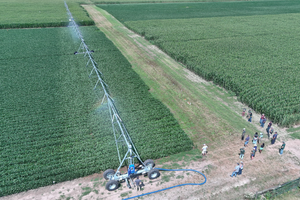
A statewide agricultural water use needs assessment provides insight into irrigation practices, water management challenges and the resources needed to make informed water-use decisions. -
Expand your knowledge of vegetable production at the 2026 Great Lakes Fruit, Vegetable, and Farm Market Expo
Published on October 1, 2026
This year’s schedule is packed with educational opportunities for vegetable growers. -
Michigan State University Extension offers Produce Safety Alliance Grower Trainings across Michigan and online
Published on September 30, 2026
These trainings will help farms understand and comply with the Food Safety Modernization Act Produce Safety Rule while strengthening on-farm food safety practices. -
Enrollment now open: Popular MSU Extension Introduction to Lakes Online course returns in January 2027
Published on September 28, 2026
The course equips participants with the knowledge and tools needed to make informed decisions and become effective stewards of Michigan's inland lakes. -
Quick response critical to reducing impacts of manure spills
Published on September 22, 2026
Manure spills can happen despite the best prevention efforts. Understanding response procedures and reporting requirements can help safeguard water quality and reduce liability. -
New to Agriculture? We’ve got a guide for you!
Published on September 10, 2026
The Beginning Farmer Resource and Decision-Making Guide is now available from Michigan State University Extension and the U.S. Department of Agriculture. -
Spotted lanternfly is spreading in Michigan, and MSU Extension is helping Michiganders prepare
Published on September 10, 2026
From homemade traps and community workshops to preparing growers, MSU Extension is helping Michiganders respond to spotted lanternfly and slow its spread. -
Dig in! MSU Organic Farmer Training expands to Flint in 2027
Published on September 9, 2026
Aspiring farmers can apply now to gain hands-on experience, visit more than 20 farms and build a farm plan through learning sites in Flint, Detroit, East Lansing and Grand Rapids.







 Print
Print Email
Email