


The rise of local grain: How consumer demand is shaping MSU wheat research
 Print
 Email
MSU researchers and industry partners are exploring how demand for locally sourced bread wheat could create new opportunities for Michigan farmers.
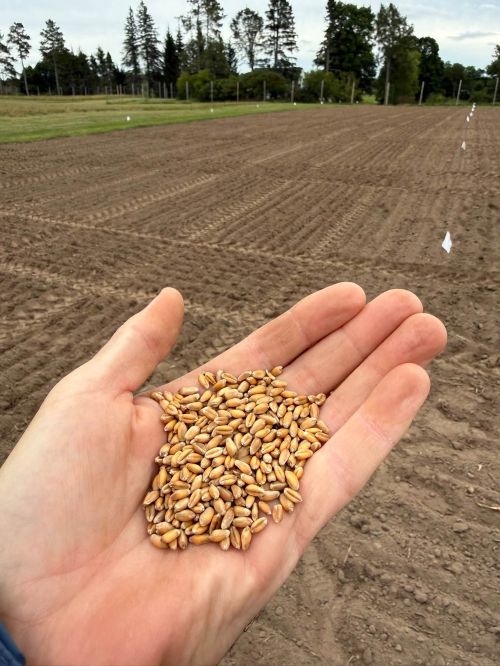
Michigan wheat growers produce some of the highest yields per acre in the nation, supplying major cereal manufacturers and flour mills that have long relied on the state's abundant soft wheat crop. As demand for locally sourced bread flour grows, however, farmers and researchers are taking a closer look at hard wheat varieties.
While soft wheat is well suited for cereals, crackers, cookies and pastries, hard wheat contains the higher protein levels needed to produce breads, bagels, pizza crusts and other yeast-leavened products.
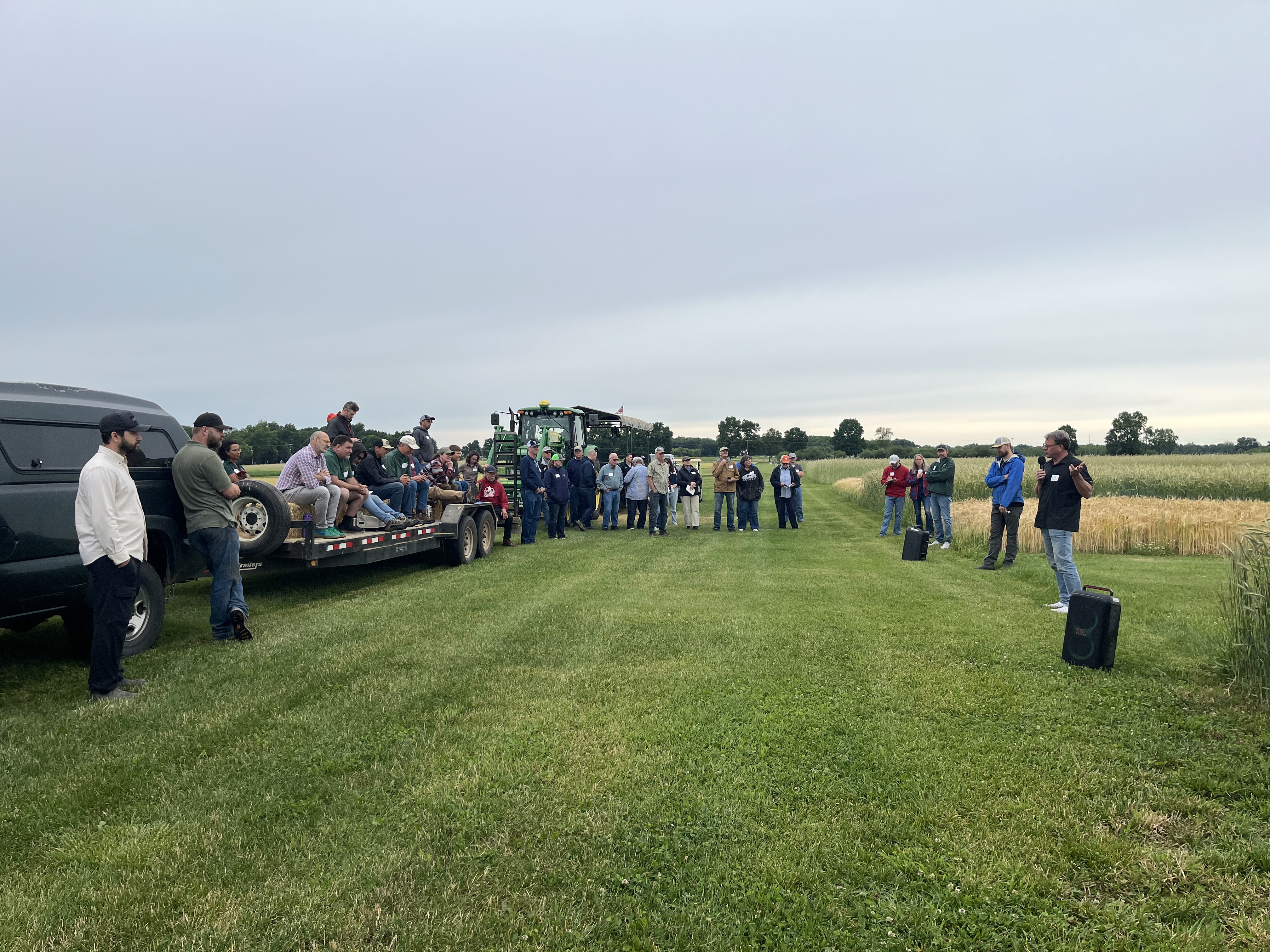
Interest in artisan breads, local food systems, regenerative agriculture and heritage grains have converged in recent years to fuel a growing market for hard wheat among Michigan's craft millers and artisan bakers. At the 2026 Food Grade Grains Field Day in southwest Michigan, growers, millers and bakers highlighted both the opportunities created by that demand and the current challenges of sourcing locally adapted hard wheat varieties that perform well in the field and in finished products.
At the same time, the Michigan Department of Agriculture and Rural Development (MDARD) recently invested in milling capacity at three businesses through their $2.3 million Underserved, Value-Added, Regional Food Systems and Supply Chain Grants, signaling continued growth in Michigan’s regional grain economy. Yet there is still a need for more research about which hard wheat varieties, of those that thrive in Michigan’s climate, meet the quality standards for milling and bread production.
To help answer those questions, a new partnership is bringing together researchers, farmers, millers, bakers, nonprofits and commodity groups to evaluate 16 hard red and white winter wheat varieties under both conventional and organic growing conditions. The project will examine field performance, grain quality, milling characteristics and baking outcomes to identify varieties best suited for Michigan’s emerging hard wheat market.
Made possible with generous support from the Michigan Wheat Program and MDARD, and in partnership with Michigan Agriculture Advancement (MiAA), scientists and staff from Michigan State University Extension and MSU AgBioResearch will be coordinating all four trial locations over the next year.
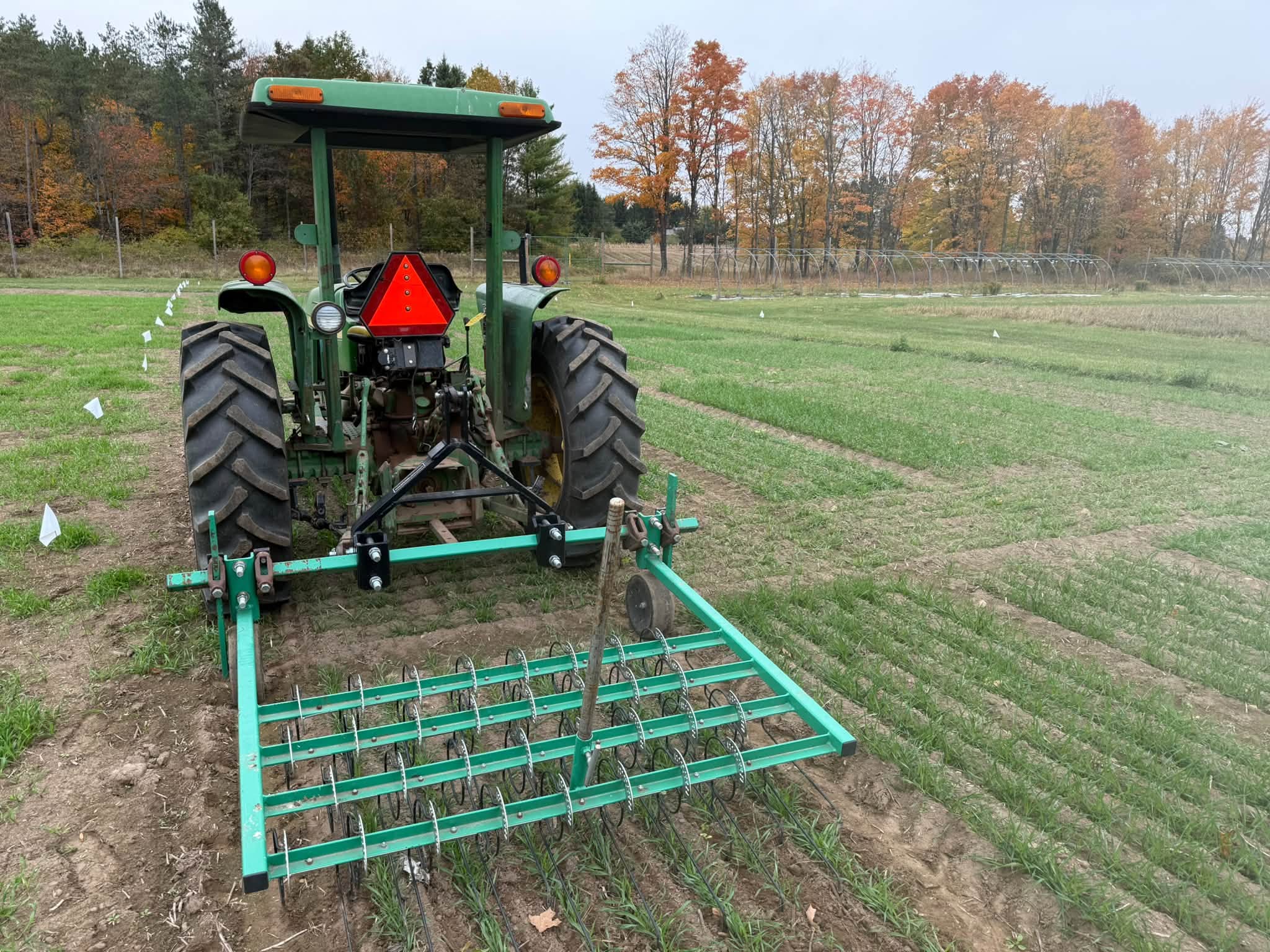
The W.K. Kellogg Biological Station (KBS) in Hickory Corners is hosting trials for both conventional and organic production systems, while the Mason Research Farm near MSU’s campus and the Upper Peninsula Research and Extension Center (UPREC) in Chatham are each hosting one conventional and organic trial location, respectively.
The varieties include both heritage wheat lines and newly developed varieties from public university breeding programs, including MSU wheat breeder, Eric Olson, and breeders in North and South Dakota, Nebraska, Virginia and Wisconsin.
Researchers will evaluate how well each variety establishes after planting, survives Michigan winters and resumes growth in the spring. They will also measure resistance to pests and diseases, field performance and overall grain yield.
After harvest, grain samples will undergo a series of quality tests at specialized laboratories throughout the Midwest, including at the Grain Quality Lab at UPREC.
Researchers will measure factors such as grain moisture, protein content, kernel size, starch quality, and the presence of deoxynivalenol (DON), a toxin produced by certain fungal diseases that can reduce grain quality and marketability. Additional testing will evaluate milling performance, flour yield and baking characteristics to help determine which varieties are best suited for commercial and artisan food applications.
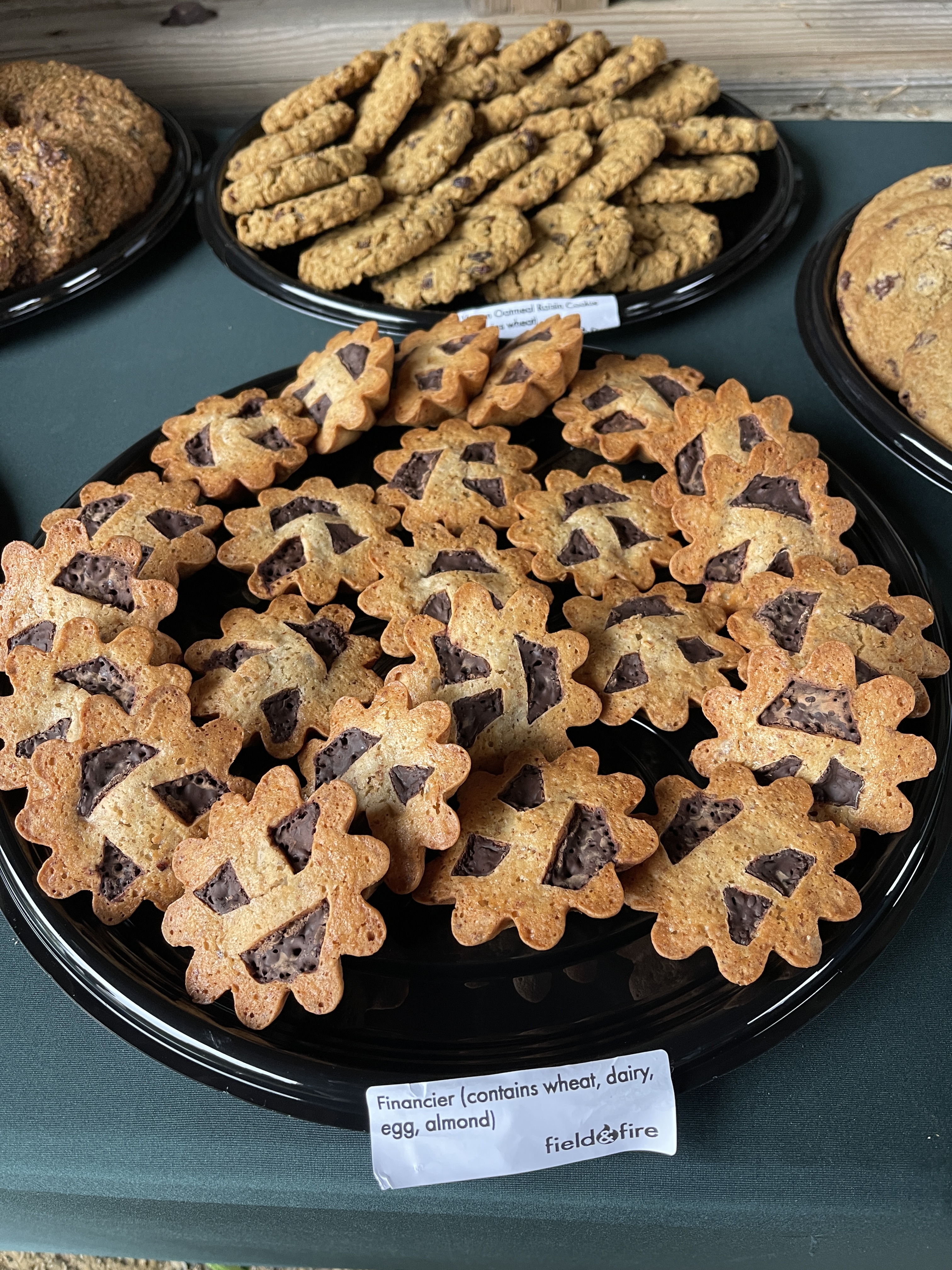
Baking performance will be evaluated by the Great Plains Analytical Laboratory and Kansas State University's Wheat Quality Lab. With guidance from the Artisan Grain Collaborative, the team will work with select craft millers and artisan bakers who will also receive grain samples to test under real-world production conditions.
In addition to university trials, staff at MiAA and MSU Extension are receiving support from MDARD to survey hard wheat growers and millers in Michigan to understand their current practices, needs, and perceived barriers to local hard wheat production and processing. Survey responses will be used to recruit on-farm research collaborators in 2027-28 and samples of commercial hard wheat lots for quality analysis alongside university plot samples.
"Consumer demand for locally grown grains is creating new possibilities for farmers and regional food systems," said Brook Wilke, associate director for agronomy and science at the KBS Long-Term Agroecosystem Research (LTAR) program and member of the research team. "The information generated through these trials will help growers optimize hard wheat production in Michigan to meet the bread quality standards needed by local and regional bakers."
By bringing together researchers, farmers, millers, bakers and support organizations, the partnership is helping build the knowledge needed to strengthen Michigan's growing regional grain economy.