


Past Projects
Range of Work
The SBEI seek projects that integrate planning and design elements within a sustainability framework, including regeneration (vacant land reuse, brownfields, placemaking), renewable energy (green development and building technology) and resiliency (economic shock, climate adaptation, natural disasters) using the imaging/visioning umbrella of physical sustainable design. Examples could include downtown Street scapes, parks, bike ways and trails, open space systems, industrial/commercial reuse, beautification, land use, signs, agricultural/conservation land preservation, ecosystem management, neighborhood/residential development and climate & health adaptation plans. The scale of the project can vary from a single parcel to a subarea plan.
Project Archive
Habitat Restoration
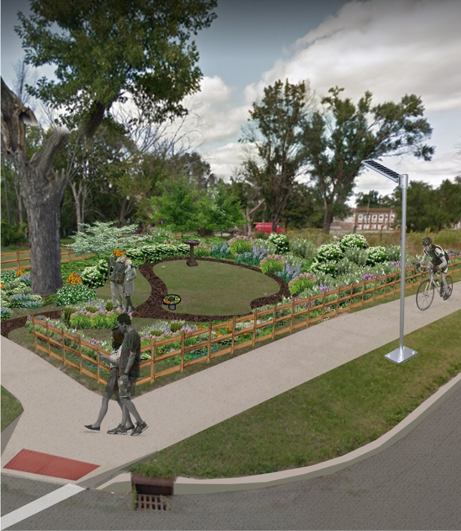
Native Habitat Restoration Vision: Using Pollinator Garden Concepts for Vacant Lots - Flint, MI (2021)
The Flint Pollinator Project developed a conceptual plan for transforming vacant land and abandoned lots into native habitat areas within the City of Flint. To enhance ecosystem services, the final design/planning recommendations considered themes of creating wildlife habitats in the form of pollinator gardens to support the well-being of neighborhood flora and cultivating natural stormwater management systems to reduce runoff and promote infiltration.
Corridor Visioning
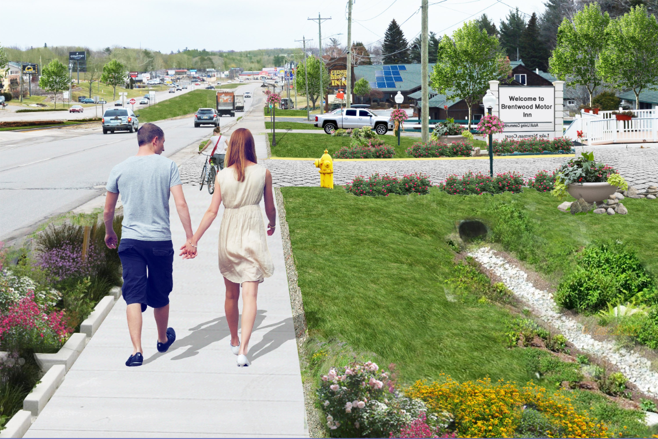
US 41/M-28 Corridor: Climate and Health Adaptation Vision - Marquette Charter Township, MI (2020)
Supported by the MACH A2 Grant Project, the goal of the project was to enhance the U.S. 41/M-28 Corridor by creating and sustaining an inviting space for all residents and visitors of Marquette Charter Township to utilize.
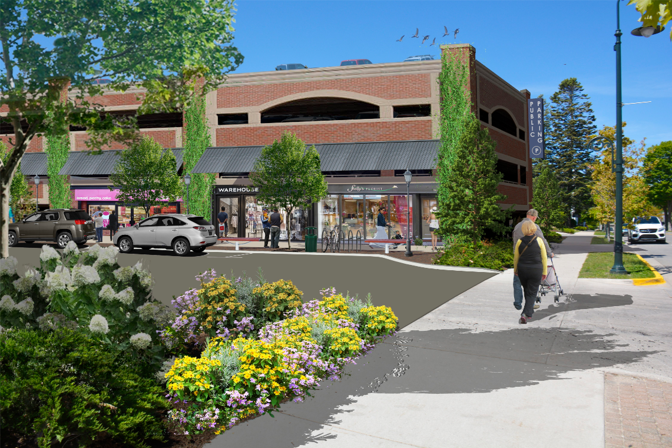
Downtown Alley Corridor Vision - Charlevoix, MI (2018)
The City of Charlevoix requested assistance from the MSU SBEI team to develop a long range vision for the downtown Charlevoix city block bounded by Bridge Street, Park Avenue, State Street and Clinton Street.
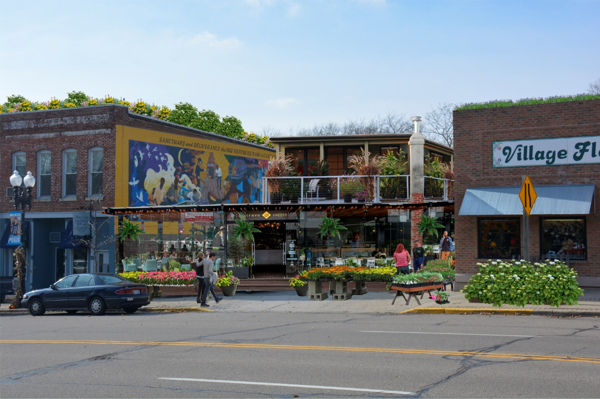
Broadway Corridor Vision - Cassopolis, MI (2018)
This project re-imagined what a thriving, vibrant Broadway Street Corridor could look like in the Village of Cassopolis, and helped local leaders and stakeholders better understand the steps it will take to get there, providing a launching pad for the community.
Plazas
The Plaza at Cadillac Commons - Cadillac, MI (2017)
The Michigan Municipal League sponsored this SBEI placemaking study to address the impact of the US-131 bypass diverting traffic away from the city's downtown. The study recommend The Plaza as the third of five phases to create Cadillac Commons. The Plaza transformed an ordinary parking lot into a year-round destination overlooking Lake Cadillac and a city park.
Climate Adaptation
Climate and Health Adaptation Planning Guide for Michigan Communities (2020)
This guide is intended to help communities in Michigan and across the Great Lakes Region develop a climate and health adaptation plan or to integrate climate and health concepts into existing initiatives. A climate and health adaptation plan is defined here as a strategy document that fosters collaboration across disciplines and interest groups to instigate a series of activities toward the common objectives of understanding and then preventing or reducing the anticipated health impacts of climate change in the area.
Adapting to Climate Change and Variability - Marquette, MI (2013)
SBEI worked with the City of Marquette, the Superior Watershed Partnership (SWP), the Great Lakes Integrated Sciences and Assessments Center (GLISA), and key stakeholders in the agriculture, forestry, natural resources , health, planning, and tourism fields to design a process that identifies and prioritizes the community's climate change concerns. Overwhelmingly, residents and local leaders wanted to protect the natural environment that makes Marquette such a desirable place to live. This report details the process and results of this community-driven process.
Teal Lake Shoreline Climate and Health Adaptation Vision - Negaunee, MI
This project aimed to enhance the Teal Lake shoreline by creating and sustaining an inviting space for all residents and visitors of the City of Negaunee to use. The project focused on non-motorized recreation, restoration, remediation, and resiliency through a climate and health adaption framework.
 Print
Print Email
Email