


Supporting the next generation of Michigan’s farmers
 Print
 Email
Empowering the future of agriculture.
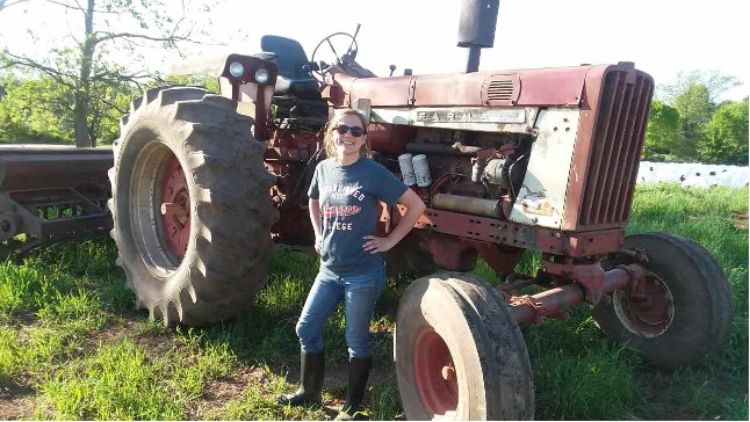
In Michigan, according to the USDA's National Ag Statistics Service Census of Agriculture, the average age of farmers is 56.5 years. Nearly one third of Michigan farmers are over the age of 65. Whereas young farmers between the ages of 18-35 years make up about 10% of farmers in Michigan. As the older generation considers their farming succession plans and the industry becomes more dependent on this younger workforce, it is important to address barriers to help younger farmers succeed.
The barriers
For beginning farmers who are navigating launching their own family operations, finances are particularly stressful. Most young farmers see a negative net farm income as they invest in equipment, land leases and other costs. Debt loads are high. Most independent young farm households must rely on off-farm jobs and are dual-income households with both partners working both on and off the farm. Farm work does not wait and these farmers often work very long hours with few opportunities to take time away from their operations. Many farmers report that time to rest and spend with their families is in short supply, causing stress in relationships.
Additionally, young and beginning farmers who are not working on an intergenerational farm may struggle to find land, particularly affordable farmland, suited to their needs. The average value of farmland in Michigan increased by 7.8% between 2025 and 2026, pricing out many small farms. Land access is a continuing issue for producers, and the amount of farmland in operation is shrinking across the state as economic growth continues to put pressure on undeveloped land.
There is less financial support available for young farmers through the U.S. Department of Agriculture (USDA). In March of 2026, 49 of the 50 Increasing Land, Capital and Market Access (ILCMA) grants were terminated. These community based and locally led projects provided funding for young and beginning farmers to find and buy land and assisted with business planning.
Personal finances, time pressures, low access to land and feeling a lack of community support all contribute to mental health issues for young farmers. Burn out and stress are often cited as the reason young farmers leave the industry. A recent study found 53% of young farmers in the Midwest meet the criteria for depression, and 71% meet the criteria for Generalized Anxiety Disorder. For farmers in Michigan, these symptoms often go untreated as there is a shortage of mental health care providers in the state, particularly in rural areas.
Support
There are resources available to help young farmers be successful.
- Michigan State University Extension has a Beginning Farmer This site offers links to classes, articles, podcasts and videos about a variety of topics related to farming, and educators are available to answer questions or concerns. Farmers can sign up for emails about educational opportunities. The Beginning Farmer Resource and Decision-Making Guide is one of the tools available through links on this website.
- The Michigan State University Extension Farm Management team offers information about succession planning, financial analysis, labor and marketing.
- MiFarmLink is a resource that connects Michigan farmers seeking land with farmland owners who want to sell or lease their land.
- USDA offers factsheets and tools for new farmers, including information on how to apply for USDA loans.
- Michigan State University Extension offers Farm Stress resources, including a teletherapy program that connects farmers to online counseling services.
- MSU Extension’s Virtual Health Programs calendar offers a variety of online programming to support healthy relationships, emotional and physical health needs.