Smart Gardening: Wild Up Your Septic Drain Field With Native Plants
DOWNLOADNovember 11, 2026 - Bindu Bhakta, Michigan State University; Gary Buczkowski, MSU Extension Master Gardener; Beth Clawson, (retired), Michigan State University Extension; Casey Clement, Health Department of Northwest Michigan Extension; Cheryl A. Gross, Plant It Wild; Garrett Noyes, Birdsfoot Native Nursery; Sarah Rautio, Michigan State University Extension; Paul Wiemerslage, Au Sable Institute of Environmental Studies
 Print
 Email
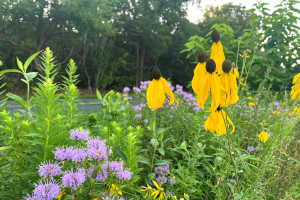
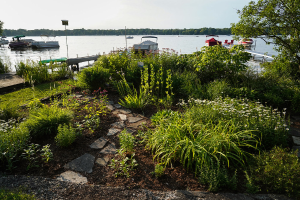
Erma Bombeck’s book The Grass is Always Greener Over the Septic Tank speaks humorously about suburban life, yet one thing remains true: septic systems require care and maintenance given they manage wastewater for half of Michigan’s population. While drain fields are typically covered with turf because trees, shrubs, taproot plants, and water-loving plants can interfere with septic system function, a great turf alternative with multiple benefits is a native plant garden.
Which plants are native to Michigan?
A native plant is one established in Michigan before European settlement (circa 1800). Michigan Flora is a University of Michigan database which maintains lists of native plants based on sightings. MSU’s Native Plants and Ecosystem Services can help identify what plant possibilities exist in your area.
Why choose native plants?
Native plants support healthy ecosystems and food webs. Over thousands of years, plants and insects evolved alongside each other, which led to insects requiring only one or one group of plants to complete their lifecycle— e.g., Monarchs need milkweed. Native plants are also well adapted to local soil and climate. Suitable septic drain field plants need less fertilizer and water than turf; filter rain run-off; prevent erosion; store carbon; provide food and habitat to native insects, birds, and other wildlife; and create beautiful easy-to-maintain gardens.
How a septic system works
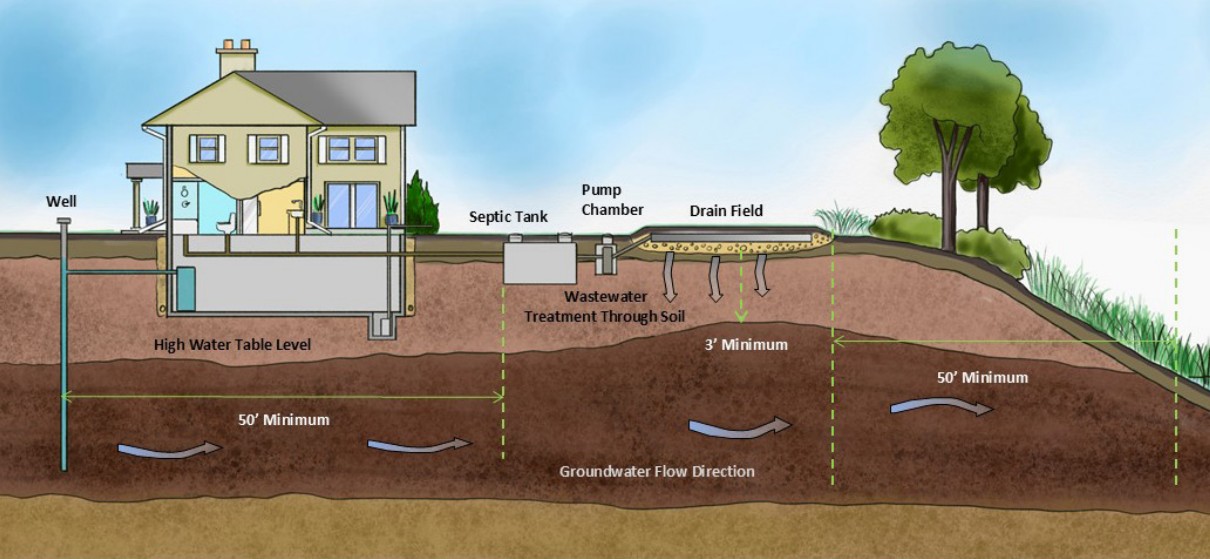
Most on-site wastewater systems have a septic tank and drain field. Wastewater enters the tank, where solids sink, and fats, oils and grease float. The liquid layer flows to the drain field, where soil filters and disperses it.
Steps for success
For records identifying septic location, contact your local health department. To identify if planting restrictions exist, contact local zoning office and homeowners’ associations. Measure the drain field to calculate number of plants needed – fill it but space plants properly and limit tall plants to maintain airflow into the drain field. Choose plants based on local temperature, soil, and light conditions and those that support pollinators. Most drain fields have sandy loam soil in sun or part sun. Type of plant material matters. Potted plants and plugs establish quickly, may bloom the first year, but can be more expensive. Seeds are less expensive but may take 2–3 years to flower or require re-seeding. Prepare the site by removing non-native plants, turf grass, and weeds. Mechanical methods over herbicides reduce risk of chemical leaching into septic systems and groundwater. Install plants anytime if they can be watered lightly and regularly until established. Distribute seeds in late fall or early spring when temperatures are cooler for germination. For the first three years, regularly weed and optionally mow - at season’s end - to promote renewed plant growth. Leave old stems in place to provide critical pollinator nesting sites.
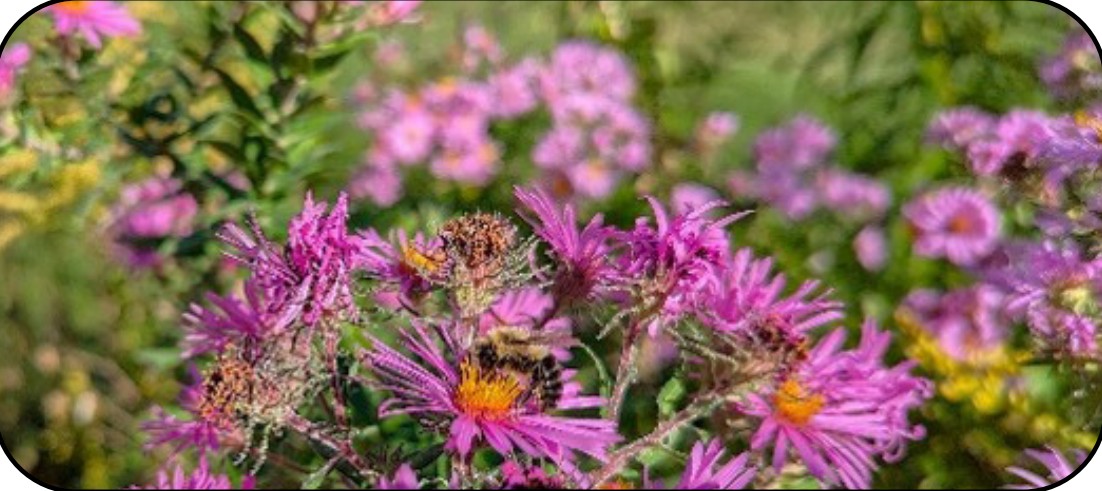
The native plants below have fibrous root systems and are adapted to dry sandy loam soils. Refer to research-based lists of plants suitable for septic fields, as not every plant is well-suited for a septic site.
Where to buy
Native plants are more common at nurseries across Michigan. Avoid seeds/plants treated with pesticides (e.g., neonics). Look for pesticide-free labels and ask staff how they grow plants and source products. To find native plant sources, visit: Native Plant Guild, Plant it Wild, Wildflowers of Michigan, and the Michigan Pollinator Initiative.
For more information on a wide variety of Smart Gardening topics, visit www.migarden.msu.edu or call MSU’s Lawn and Garden hotline at 1-888-678-3464. Additional information can be found at www.canr.msu.edu/septic_system_education/
Michigan Native Species for Septic Drain Fields
| Native Grasses | ||||
|---|---|---|---|---|
| Scientific Name | Common Name | Height | Sun | Type |
| Schizachyrium scoparium | Little Bluestem | 1–3’ | Partly cloudly, full sun | Warm |
| Carex eburnea | Ivory Sedge | 6”–1’ | Partly cloudly, full shade | Cool |
| Eragrostis spectabilis | Purple Love Grass | 1’–3’ | Full sun | Warm |
| Native Wildflowers | |||||
|---|---|---|---|---|---|
| Scientific Name | Common Name | Height | Sun | Bloom Time | Color |
| Achillea millefolium | Yarrow | 1–3’ | Partly cloudly, full sun | July–September | White |
| Antennaria parlinii | Pussytoes | 3”–16” | Partly cloudly, full sun | May–June | White |
| Coreopsis lanceolata | Sand (Lanceleaf) Coreopsis | 1’–2’ | Full sun | May–August | Yellow |
| Rudbeckia hirta | Black-eyed Susan | 2’–3’ | Partly cloudly, full sun | June–October | Yellow |
| Solidago caesia | Blue-stemmed Goldenrod | 3’ | Full sun, full shade | August–October | Yellow |
| Symphyotrichum oolentangiense | Sky Blue Aster | 2’–4’ | Partly cloudly, full sun | August–October | Blue |