Tips for preparing landscape trees and shrubs for winter
 Print
 Email
Fall is a good time to inspect trees and shrubs in their landscape and take preventative measures to minimize problems that can occur over winter.
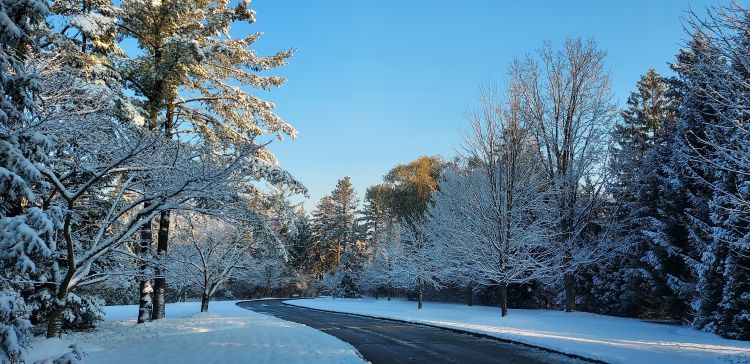
With the winter months just around the corner, now is a good time for to prepare your landscape for the cold weather ahead. In addition to raking up leaves, cleaning out flower beds and other similar autumn tasks, Michigan State University Extension recommends the following tips regarding trees and shrubs.
Before the ground freezes, water trees and shrubs
At the time of writing, much of Michigan is experiencing drought conditions or is classified as “abnormally dry” according to the U.S. Drought Monitor. Consequently, many trees and shrubs in non-irrigated settings are under drought stress. Watering trees and shrubs before they go fully dormant can help them better tolerate winter conditions. Trees and shrubs planted within the past year may not yet have established roots in the surrounding soil and should be watered when the soil is dry. Woody plants planted within the last two to three years are still establishing root systems and may benefit from supplemental watering during dry periods.
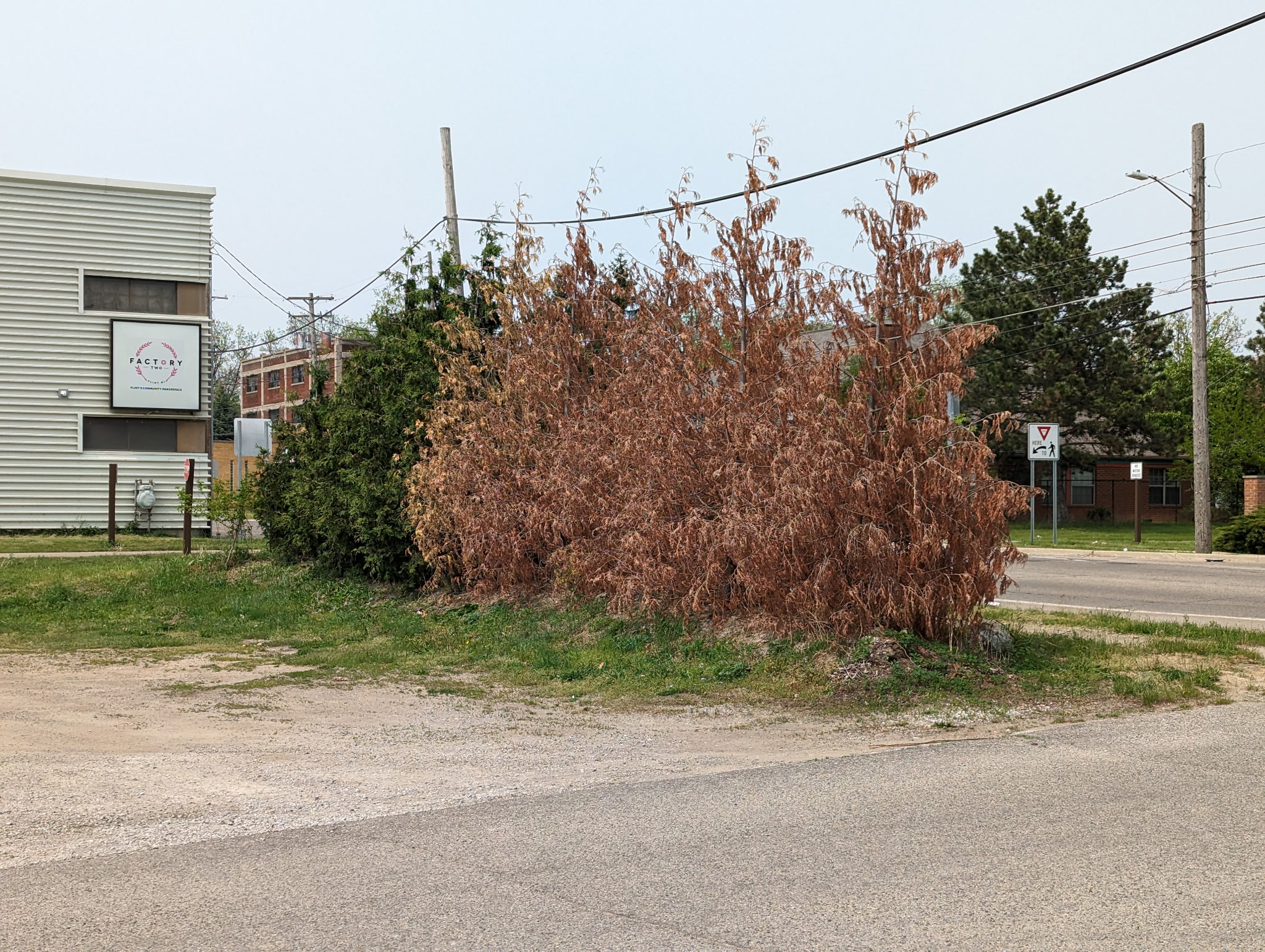
Evergreens, especially needle-bearing conifer species, are susceptible to dry conditions during winter months because they continue to lose moisture through their foliage. If the soil is frozen or dry and roots cannot replace that moisture, foliage may dry out and turn brown.
Protect trees and shrubs susceptible to winter drying injury
Evaluate landscapes to identify areas exposed to wind, including those along roadways, bodies of water and in open land. Evergreens planted in windy areas may suffer from winter desiccation injury. Conifers may exhibit browned needles or foliage, while broadleaf evergreens may show curled leaves or brown leaf tips.
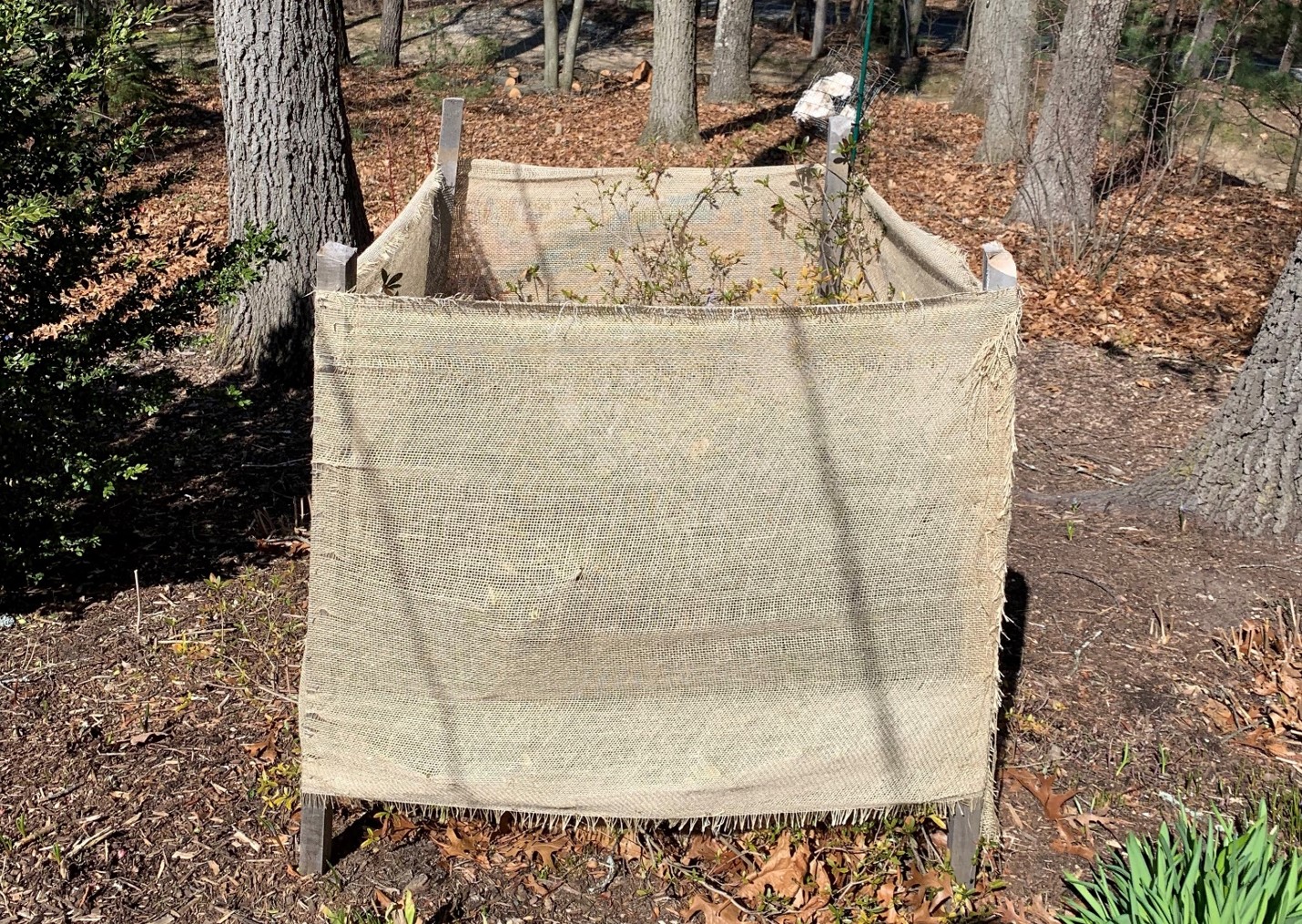
The best way to prevent this type of damage is to water plants during the fall and erect barriers around susceptible plants to block winter winds. Temporary barriers or cages can be constructed from stakes hammered into the ground and burlap, wooden snow fencing, or plastic snow fencing stapled to the stakes.
Protect trees and shrubs that regularly suffer from snow and ice damage
The heavy weight of snow and ice can cause significant damage to trees and shrubs. If snow or ice tends to slide off steep roofs, now is the time to install protective shields over plants that may be damaged.
Make note of areas around the home where snow displaced by plowing or snow blowing could damage trees and shrubs. The force and weight of snow from snow removal machinery can tear branches off of conifer trees. Protection should be installed before winter weather arrives or removal services should be told how to direct their machinery so that blown snow does not damage plants.
Protect trees and shrubs from rabbits, deer, and other mammals
During winter, hungry mammals are more likely to feed on unprotected trees and shrubs. Some herbivores, such as woodchucks, hibernate during the winter months and are not a threat to garden plants. Others, such as deer, rabbits and other mammals, need to eat to stay alive. Rabbits and voles (small rodents often mistaken for mice) can be particularly destructive to shrubs and small trees. They can kill entire plants or branches by girdling them (chewing away the bark and cambium). Deer, elk and moose are more likely to browse on branch tips. Beavers will fell both large and small trees and shrubs for food and to fortify their dams and lodges.
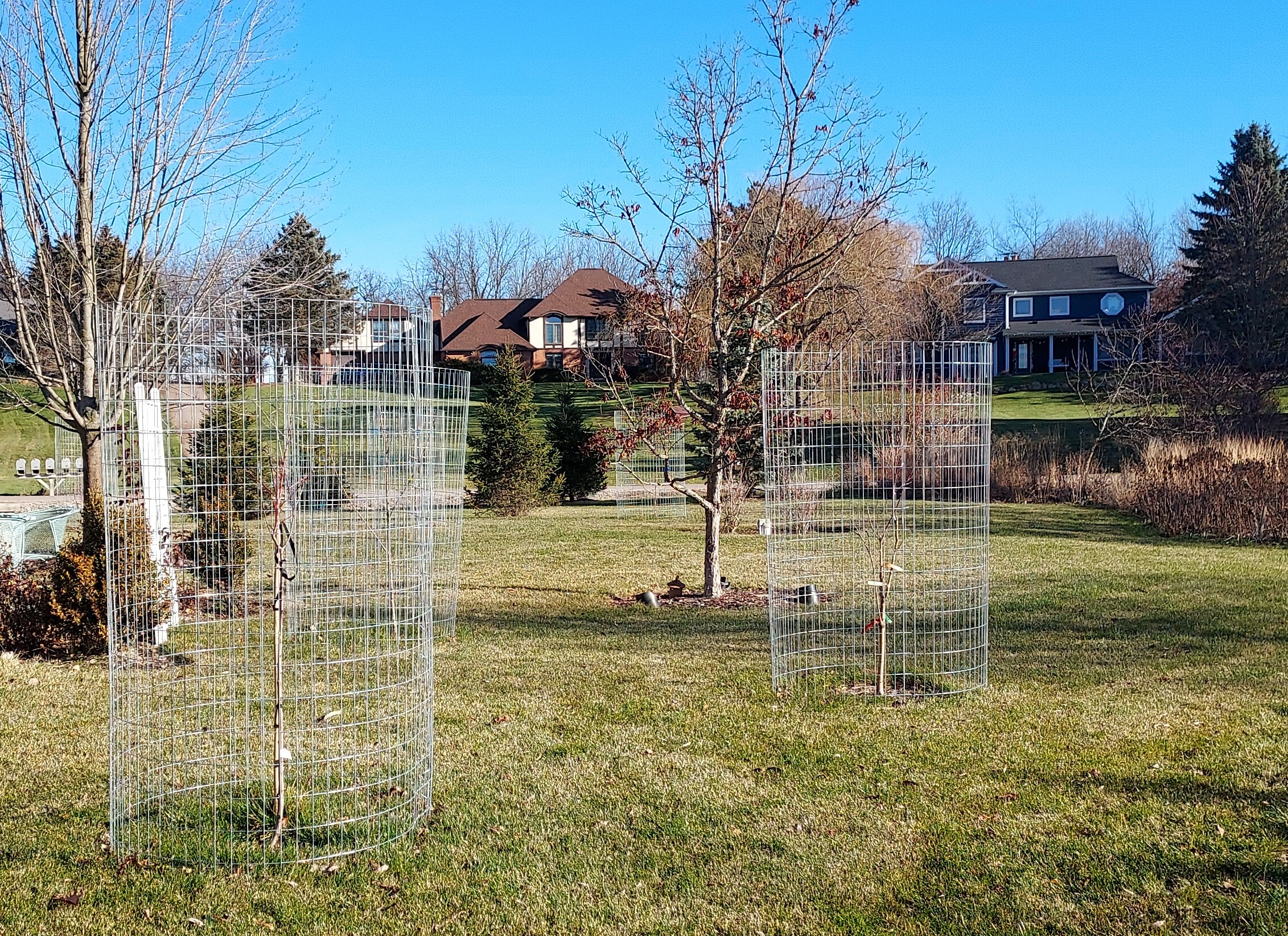
Cages should be installed now to prevent damage from hungry wildlife. Cage size and material depend on the most likely threat. Fine wire mesh, like hardware cloth, can be installed closely around plant trunks to prevent rabbit and vole damage. Tall cylinders made of livestock fencing can be used to deter damage from deer, elk, moose, and beavers. Additionally, repellents, particularly those that stink, can be applied to evergreen shrubs, like yews (Taxus sp.), that are a favorite of deer during winter months.
Get a head start on tree and shrub maintenance needs for the coming year
After leaves fall from deciduous trees and shrubs, gardeners can often see plant problems that may not have been noticeable earlier in the season. Examples include crossing or rubbing branches and other structural defects in trees and shrubs. Dead, diseased, or damaged branches can be pruned at any time. Aesthetic pruning, pruning for structure or airflow, and shearing should be avoided in late fall because fresh pruning wounds can be susceptible to winter damage and dieback. Other pruning needs can be noted now and addressed in late winter or early spring, before new leaves emerge.
To reduce the risk of oak wilt transmission, only prune oak trees during the dormant season, generally from late fall through winter.
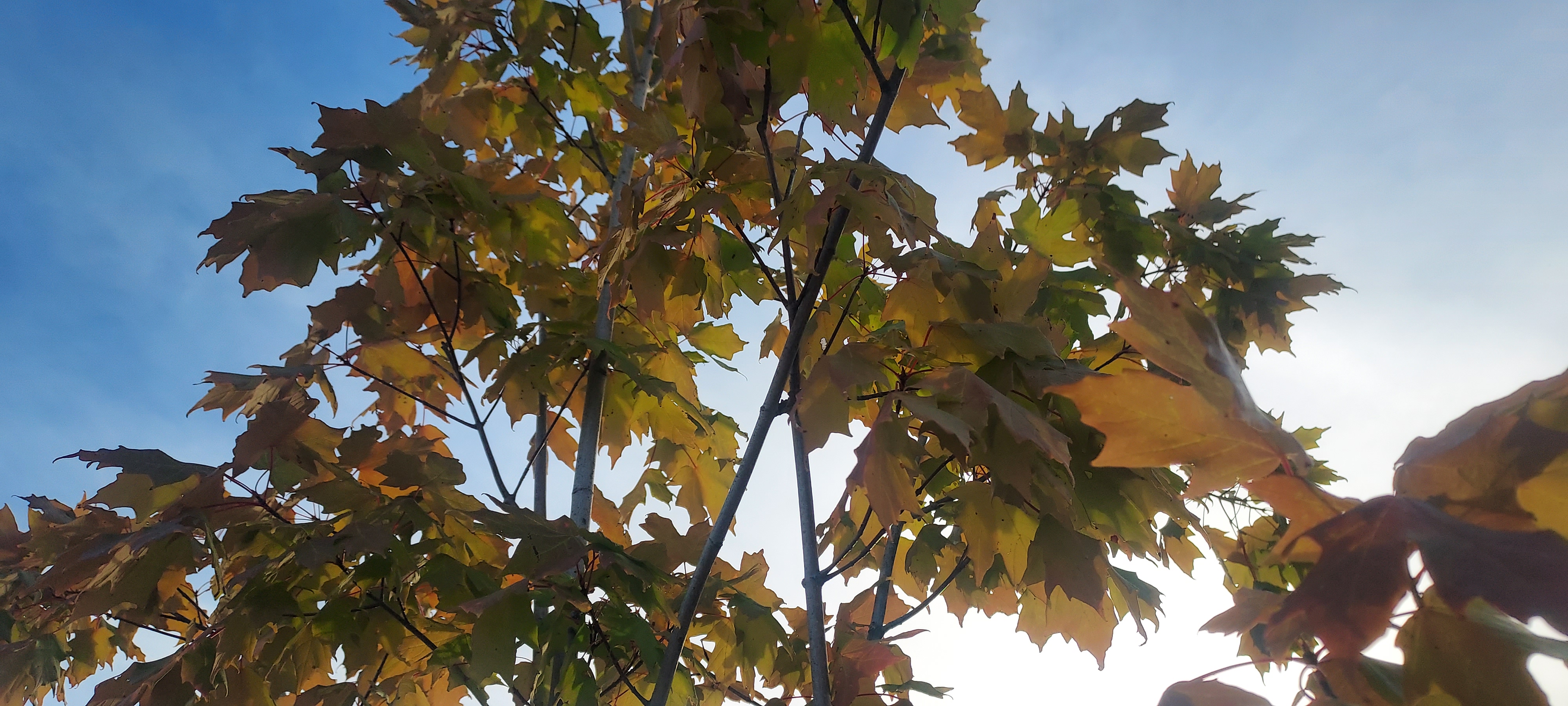
Late autumn and early winter are good times to inspect your landscape plants and identify tree and shrub maintenance needs for the next growing season.
Additional resources on protecting trees and shrubs from winter injury are available at these university extension websites:
- Purdue University – Winter Injury of Ornamentals
- Cornell University – Why do certain trees and shrubs need to be protected during the winter?
- University of Minnesota – Preparing Trees and Shrubs for a Long Winter’s Rest
A healthy landscape starts with regular attention and care. Before winter settles in, take a walk through your yard to identify plants that may need water, protection or future pruning. Addressing potential problems now can help trees and shrubs withstand the challenges of winter and begin the spring season healthy, from roots to shoots.