


Shipping food safely
 Print
 Email
Whether homemade gifts or a favorite store-bought food to share, ship items properly for best quality and safety.
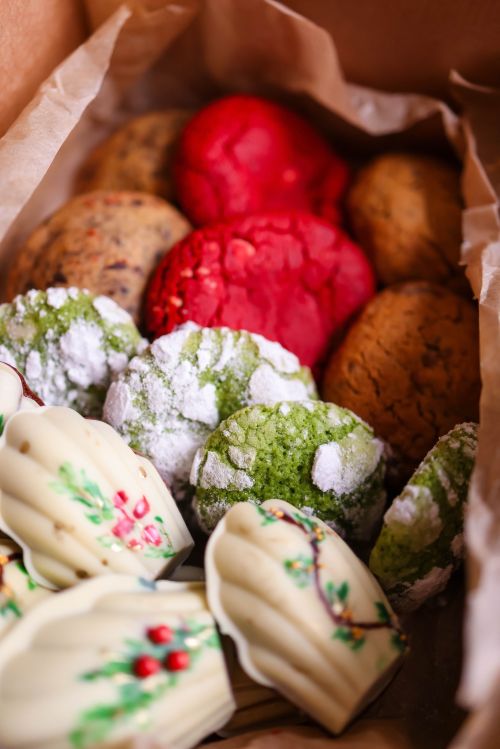
Food is a meaningful way to connect and share with people, whether they live across the country or on the other side of the world. Shipping food items can be a thoughtful gesture and a welcome gift. To make sure food arrives safely and in good condition, contact the shipping company or visit their website to review recommended requirements. Let the recipient know a package is coming. While surprise packages are fun to receive, a bigger surprise may be finding that a squirrel helped itself to a delicious loaf of homemade banana bread. MSU Extension offers the following reminders on packaging and shipping food.
Domestic vs. international shipping
Before shipping food domestically, check state and federal regulations for any prohibitions. Some states, such as California, do not allow for shipment of certain foods (mainly fresh fruit, vegetables and some meat) from another state. For shipping that will be between the contiguous 48 states, Alaska, Hawaii, and U.S. territories, as well as international shipping, check the regulations. Shipping prohibited food can result in civil and criminal charges. Most prohibitions are based on global standards to protect plant, animal and human health. Domestic shipping of alcoholic beverages can only be done by licensed entities. International shipping is also subject to export and import rules.
Baked goods
Wrap pound cakes, cupcakes and pies in plastic wrap to minimize air exposure. Baked goods like cookies can be heat-sealed or put in several smaller packages. Use rigid containers for fragile items like cupcakes, to provide protection during shipping.
Liquids
Shipping liquid items, such as olive oil and balsamic vinegar, will require a watertight plastic container that is at least 2 mm thick. For liquid items that are 4 oz or more, make sure to draw double arrows that are underlined on the outside of the package to indicate the correct upright position. This helps reduce the risk of leakage from the product container.
Fruit
Firm, whole fruit such as apples and oranges travel better than delicate items like strawberries. Pack fruit securely while still allowing for ventilation. Fresh produce continues to breathe depending on the type of fruit and the temperature it experiences in transit. Because of this, apples can absorb the smell from other items they are packed with. Keep different types of fruit separate. Apples give off ethylene gas and can speed up the ripening process of other fruit and vegetables.
Cold food
For food that needs to stay cold, like cheese, or frozen, like ice cream, insulated foam containers help to maintain temperatures. The goal is to prevent food from melting or thawing. To prevent food contamination and wet damage to packaging, enclose the food in a package, such as a resealable plastic bag, and then line the container with a thick, impermeable material, such as plastic. Consider shipping conditions and delivery time and determine the best option to control the temperature for all food that needs to be kept cold or frozen. For this type of food, surround it with gel packs within an insulated container, place it in an insulated foam container, and place it inside a cardboard box. Place a cloth or disposable towel on the liner's closure to absorb moisture as frozen gel packs thaw and minimize damage from condensation.
Ice cubes and loose ice are not recommended because they can cause water damage when they melt. If loose ice is used, it must be contained in a watertight bag.
Dry ice and gel packs can be used to keep ice cream and other frozen foods cold. Dry ice is far more effective at keeping food cold, but it may have a shorter useful lifespan than gel packs. The benefit of dry ice is that it is, in fact, dry. Dry ice vaporizes as it “melts” and releases a harmless carbon dioxide gas.
General tips for safety
Again, both non-perishable and perishable food items require proper packaging to prevent contamination. Use new foam coolers and corrugated boxes and seal all of the packages with heat-sealed plastic or packing tape. For perishable food, ship it as fast as possible to maximize quality and mark the packaging on the address side with ‘Perishable.’
Include a note for the recipient or label the food item's name, storage instructions and the timeframe for best quality. Identifying ingredients in homemade food can be helpful, and even lifesaving, for people with food allergies.
Special considerations using dry ice
The packaging for dry ice must allow carbon dioxide to escape; otherwise, it could cause an explosion. Dry ice should never come into contact with food. Additionally, it is important to wear cryogenic or thermal gloves designed for this purpose to prevent burns while working with it. Dry ice is considered a hazardous material, and its use should be determined with US Postal Service in advance. There are specific rules for shipping dry ice via land or air transportation. The United States Postal Service instructs that the dry ice is “marked on the address side with the food being kept cold and the weight of the dry ice.” Dry ice cannot be used for international mail. For a helpful visual guide, see the USDA diagram showing how to pack frozen food with dry ice.
Delivered and not damaged
How non-perishable and perishable food items are packaged will determine the quality when it arrives. Shipping items between Florida and Maine could expose food to extreme heat and freezing temperatures. Chocolate chip cookies arriving in Arizona or macarons sent to North Carolina during the rainy season may experience quality issues.
Air is an enemy of fresh-baked goods. Wrap food well to minimize staleness and absorption of unwanted flavors. Use materials like bubble wrap and packing peanuts to provide at least 2 to 3 inches of protection around the food.
Remove labels or other shipping information if reusing a package. Other addresses or barcodes could cause the package to be delivered to the wrong location or not delivered at all. Containers that have previously held hazardous materials or alcoholic beverages should not be used. If the box has identifying markings for either material, the US Postal Service will treat it under those regulations, regardless of the food inside.
Verify that the address is legible and correct on the outside of the package, and that the sender's name and address are included on the inside of the package also. Number packages if there are several going to one address. List items in the package to help the receiving person know what should be included. Visit the shipper's website to find size and weight requirements, packing instructions and estimated delivery time.
Convenience
A simple way to send food is to order from specialty retail stores. The food items offered are packed to ensure quality and prevent contamination. If there are multiple packages, check to see if they will all arrive at the same time or at different times.
Sometimes a gift message is not an option, and the sender's information is not on the packing list. Let the recipient know to expect a shipment. This is particularly important if the food is perishable, so the package is not overlooked. If the delivery date is an estimate, the food package can be tracked and a signature may be required upon receipt.
If shipping homemade food, consider shipping only shelf-stable products that do not require refrigeration or freezing to ensure that food remains safe for the recipient.


