MSU joins Feed the Future Innovation Lab for Coffee and Cacao
 Print
 Email
MSU Department of Agriculture, Food and Resource Economics (AFRE) is a subrecipient of the Feed the Future Innovation Lab for Coffee and Cacao (CCIL), a cooperative agreement from the U.S. Department of State
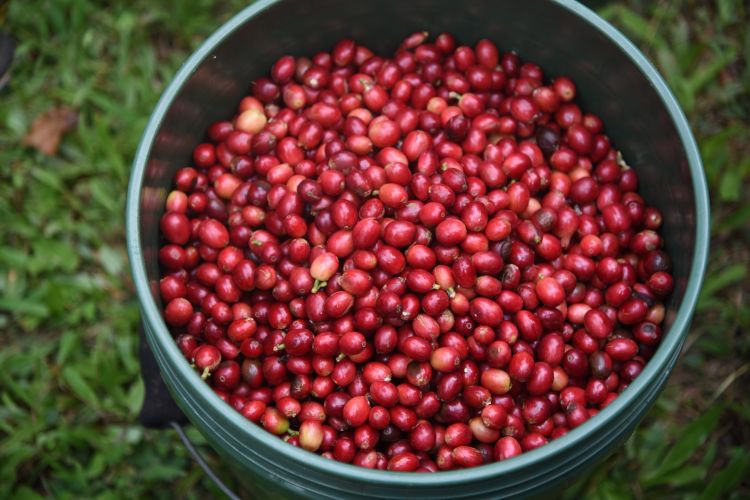
 Michigan State University will join other universities, trade groups, and a leading global food company in a university-led collaborative agricultural research program that leverages the advanced capacities of American institutions to meet global challenges in coffee and cacao research.
The university’s Department of Agriculture, Food and Resource Economics (AFRE) is a subrecipient of the Feed the Future Innovation Lab for Coffee and Cacao (CCIL), a cooperative agreement for up to five years from the U.S. Department of State. The University of Hawaiʻi at Mānoa leads the CCIL, with Clemson University in South Carolina as co-lead; Hawaiʻi is the only state in the U.S. that produces both coffee and cacao commercially.
AFRE professors Mywish Maredia, Ph.D., and David Ortega, Ph.D., will direct the CCIL’s economic analysis component. Maredia serves as the overall lead of the workstream, co-leads the research and investment priority observatory, and will lead the Lab-wide impact evaluation. Ortega leads the market intelligence and supply chain resilience research, examining how extreme weather, disease outbreaks, trade conditions, and market disruptions affect prices, producer profitability, and the reliability of coffee and cacao supplies.
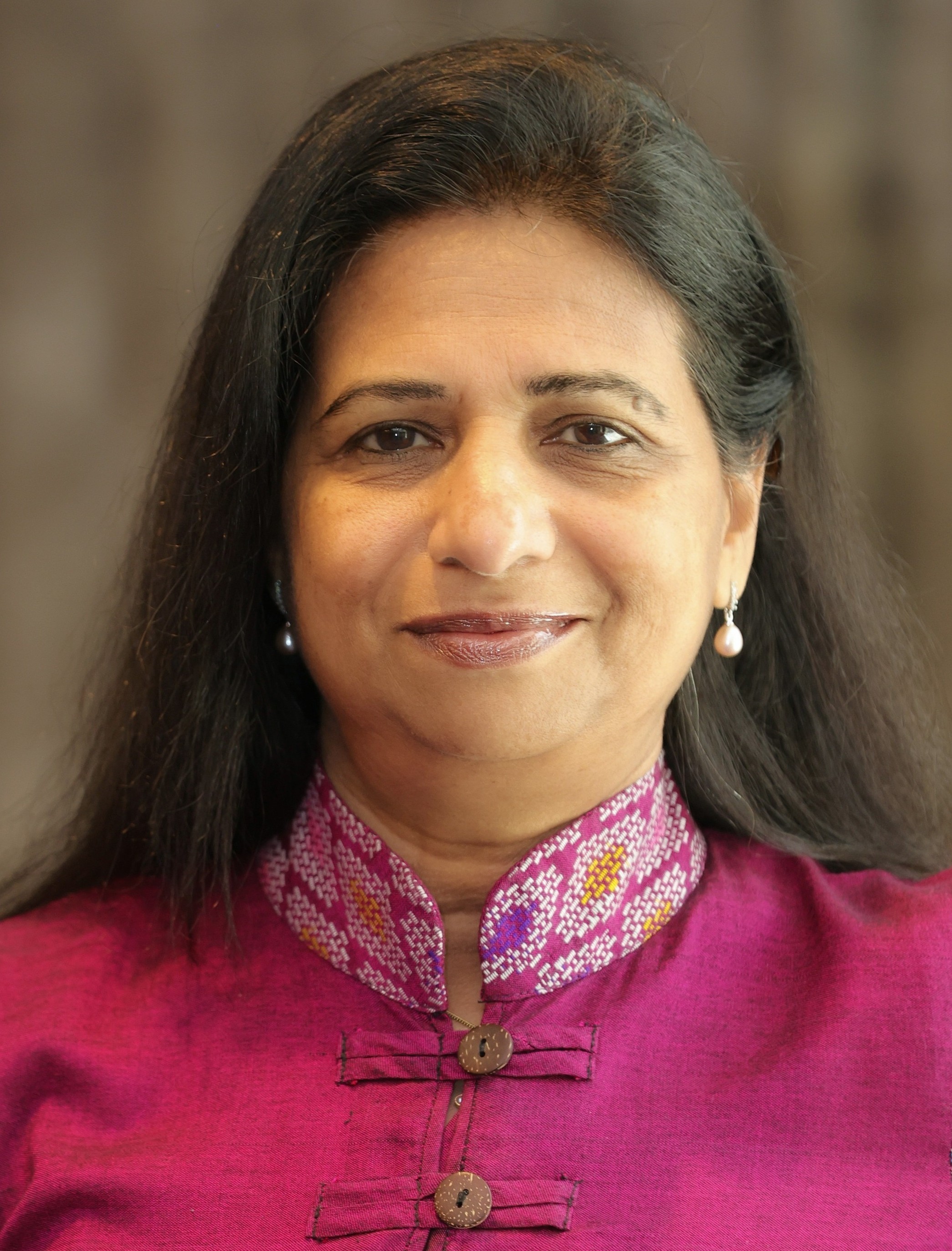
"Our role brings together research and real-world impact,” Maredia said. “We will help ensure that research investments are guided by economic evidence and respond to the needs of farmers and the broader coffee and cacao industries. We will work with partners to identify high-priority research opportunities, understand the factors that influence farmers' adoption of new technologies and practices, and evaluate whether these investments are generating meaningful economic benefits."
MSU will generate economic evidence and decision-support tools to help the Lab, partner governments, and industry stakeholders identify promising research investments, understand the incentives and constraints affecting technology adoption, and assess improvements in farmer livelihoods and supply chain resilience. CCIL will work in Latin America, Asia, and Africa.
Making supply chains more resilient
Ortega noted, “Coffee and cacao supply chains are increasingly exposed to shocks, from disease outbreaks to extreme weather and market disruptions. Our role is to generate the evidence that helps make these systems more resilient and to make sure that innovations emerging from the Lab reach farmers and improve their livelihoods. That is work MSU has done for decades, and we are excited to bring that experience to coffee and cacao.”
The Lab builds on MSU's longstanding leadership in agricultural economics and international development and creates opportunities for faculty and graduate students to contribute to research on two globally important agricultural commodities.

“By improving the productivity and profitability of coffee and cacao farmers in producing countries, this project can help secure a strong, reliable supply of both crops for the U.S. industries that depend on them. Stronger producer livelihoods abroad and more resilient supply chains at home go hand in hand, benefiting American businesses and consumers alike,” Ortega said.
Practical benefits for small farmers
More than 99% of coffee and cacao consumed in the United States is imported, and much of it is produced by smallholder farmers facing increasing pressures from pests and diseases, weather variability, labor shortages, and price volatility. Production challenges in these countries can have significant consequences for U.S. roasters, chocolate manufacturers, other businesses, and consumers.
CCIL will cultivate coffee and cacao varieties to withstand diseases and drought, improve farm management and post-harvest processing, as well as build lasting research capacity in partner countries.
“Addressing global challenges in coffee and cacao requires top-tier elite insight into agricultural science and economic analysis,” said Parwinder Grewal, dean and director of the UH Mānoa College of Tropical Agriculture and Human Resilience and principal investigator of the CCIL. “Michigan State University’s leadership in international agricultural development and economics will translate CCIL’s research into actionable, market-driven solutions that protect farmers’ livelihoods and strengthen supply chains worldwide.”
Strengthening America’s economy
“This investment in agricultural research and innovation will play a critical role in securing resilient supplies of America’s favorite beverage, which is enjoyed by two-thirds of American adults every day, supports more than 2.2 million U.S. jobs, and adds more than $343 billion to the U.S. economy every year,” says National Coffee Association (NCA) President and CEO William “Bill” Murray.
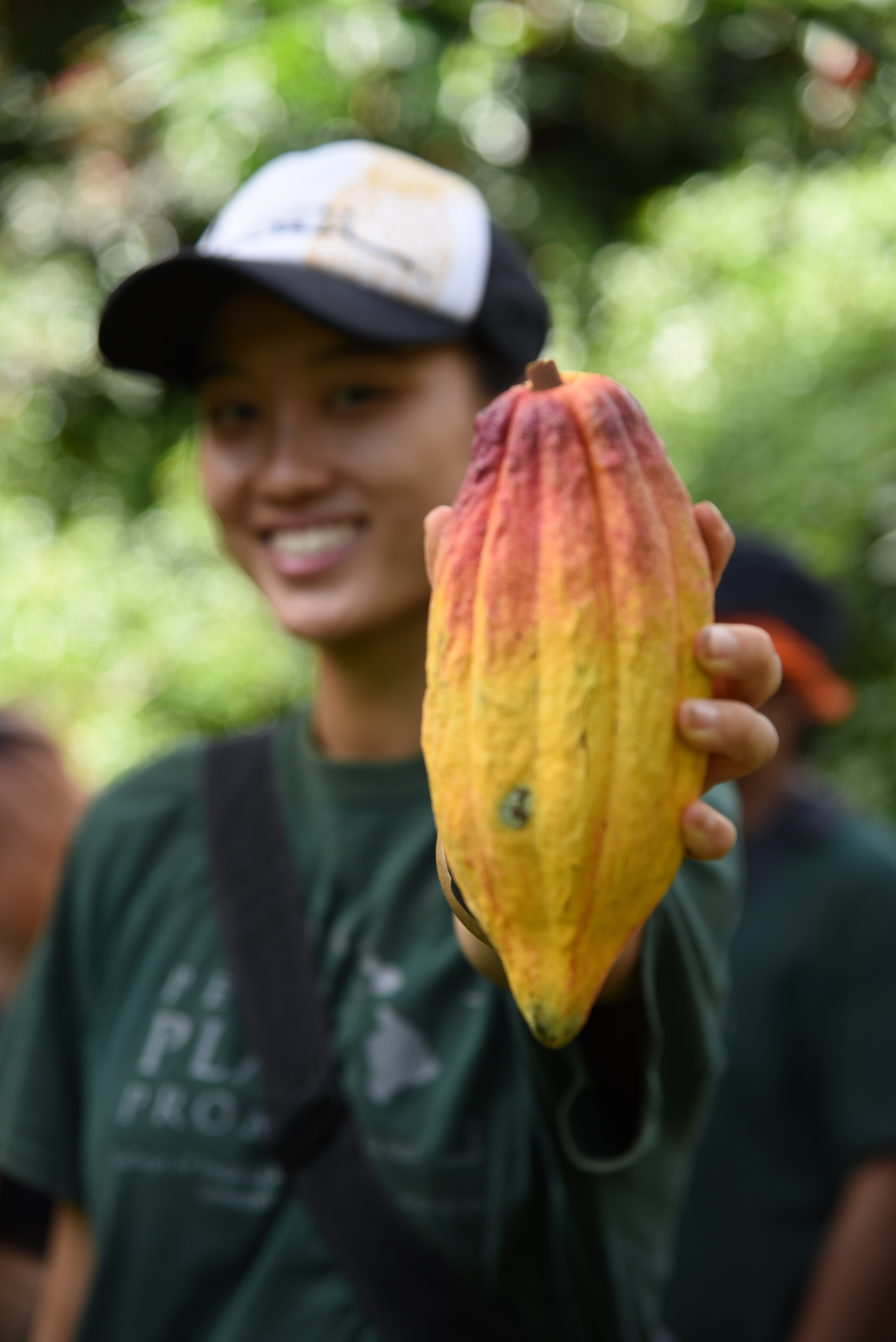
The typical U.S. resident eats up to eight pounds of chocolate a year, and chocolate generates $28.4 billion in sales and adds 700,000 jobs to the U.S. economy.
Yet the American roasting and confectionery industries depend almost entirely on a stable, high-quality supply from producing countries abroad. A more resilient global supply, enabled by CCIL research, will strengthen U.S. security, economic, and trade interests while reinforcing America’s leadership in coffee and cacao research and production.
“Coffee and chocolate are two of the joys in life. I am excited for the benefits this funding brings to American growers and consumers.” Suzanne Shriner, a coffee farmer and Administrator for the Synergistic Hawaiʻi Agriculture Council. “Ensuring we can all continue to enjoy these foods means investing in the farmers, research, and practices that keep them thriving. This grant helps secure a strong future for cacao and coffee grown right here in the United States, from the farm to cup and bar.”
MSU and AFRE have extensive experience in international agricultural research, including research on coffee value chains in Rwanda and ongoing work with coffee growers, industry partners, and other stakeholders in Hawaiʻi. This combination of international development experience and engagement with the U.S. coffee industry provides a strong foundation for MSU's contribution to the Innovation Lab.
“MSU has a long history of helping agricultural research programs identify investment priorities and assess the economic benefits of new technologies, particularly in developing countries. Our previous work on coffee value chains in Rwanda and our ongoing research with Hawaiʻi’s coffee industry provide valuable experience for this new initiative,” Maredia said.
CCIL features a world-class consortium of partners, including The Ohio State University; Pennsylvania State University; the University of California, Davis; Coffee Quality Institute; Mars, Incorporated; PlantVillage+; Synergistic Hawaiʻi Agriculture Council; and World Coffee Research.