Milkweed matchmaker: Introducing you to the native ornamental of your dreams
 Print
Print Email
EmailMichigan is home to many native plants that are important for sustaining the ecosystem and can work as wonderful ornamentals in your garden. Learn about the different species of milkweed commonly available in the Midwest.

Have you ever found yourself feeling like there was a little something missing in your garden? Something to bring a little bit of romantic, eco-functional flare to your home? This is a dream more easily realized than you may anticipate.
Asclepias, better known as milkweeds, are a group of native plants found across North America. Popular with pollinators, crucial to monarch butterflies, and probably growing closer than you think, these flirtatious and fun-loving flora are ready to get to know you and see if your garden is the one for them. Read on in this Michigan State University Extension article to learn more about several prominent species, including how to care for them, where they live naturally, and what they can do for your garden.
Butterfly Weed (Asclepias tuberosa)
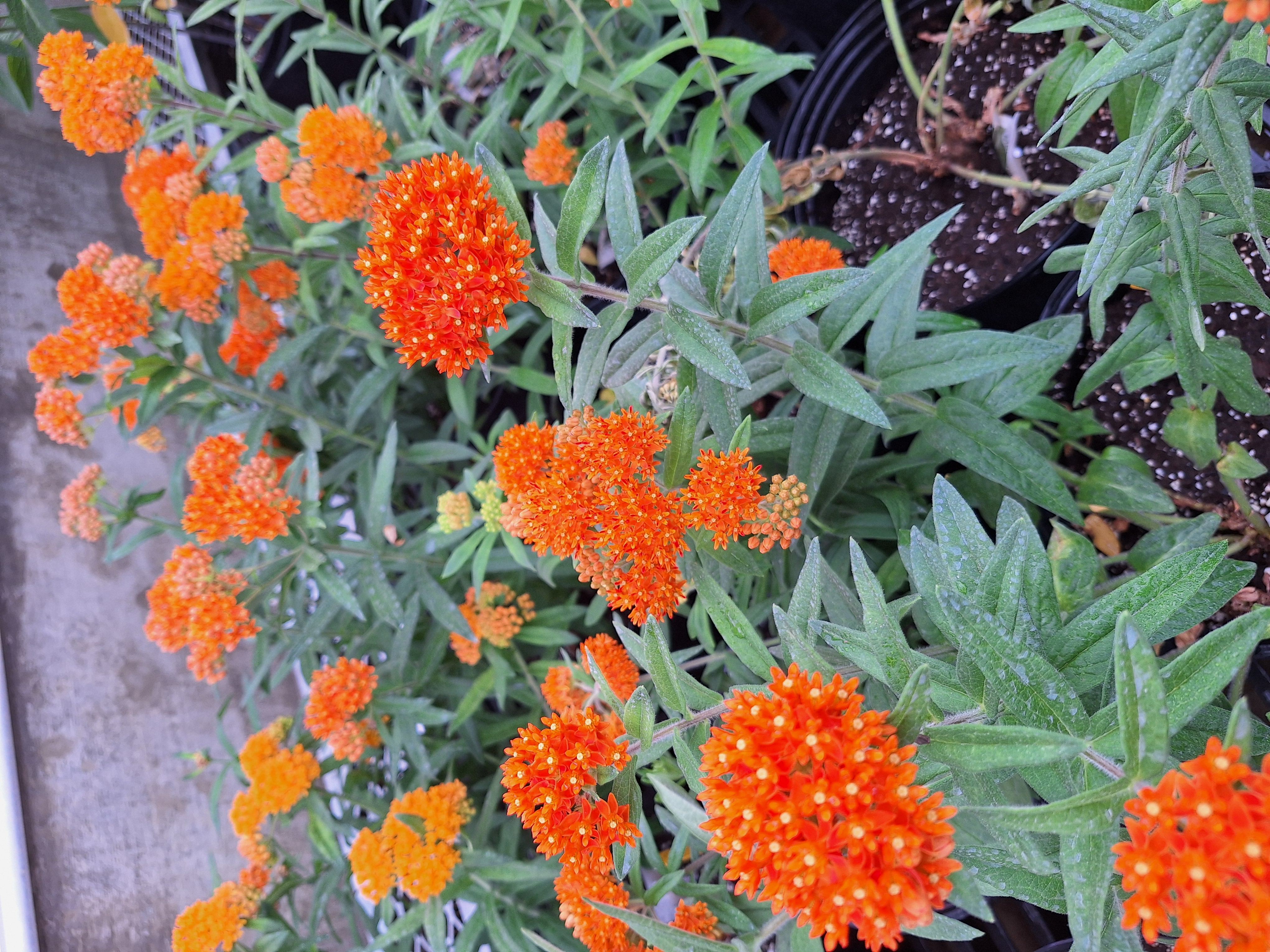
You know them, you love them and they’re the most popular species of Asclepias you can find at nurseries and department stores. This endearing little plant is native to prairies across the eastern United States. Smaller in stature than many other milkweeds, the flowers range from bright yellow, as seen below, to deep oranges and near reds that can be found in many wild types.
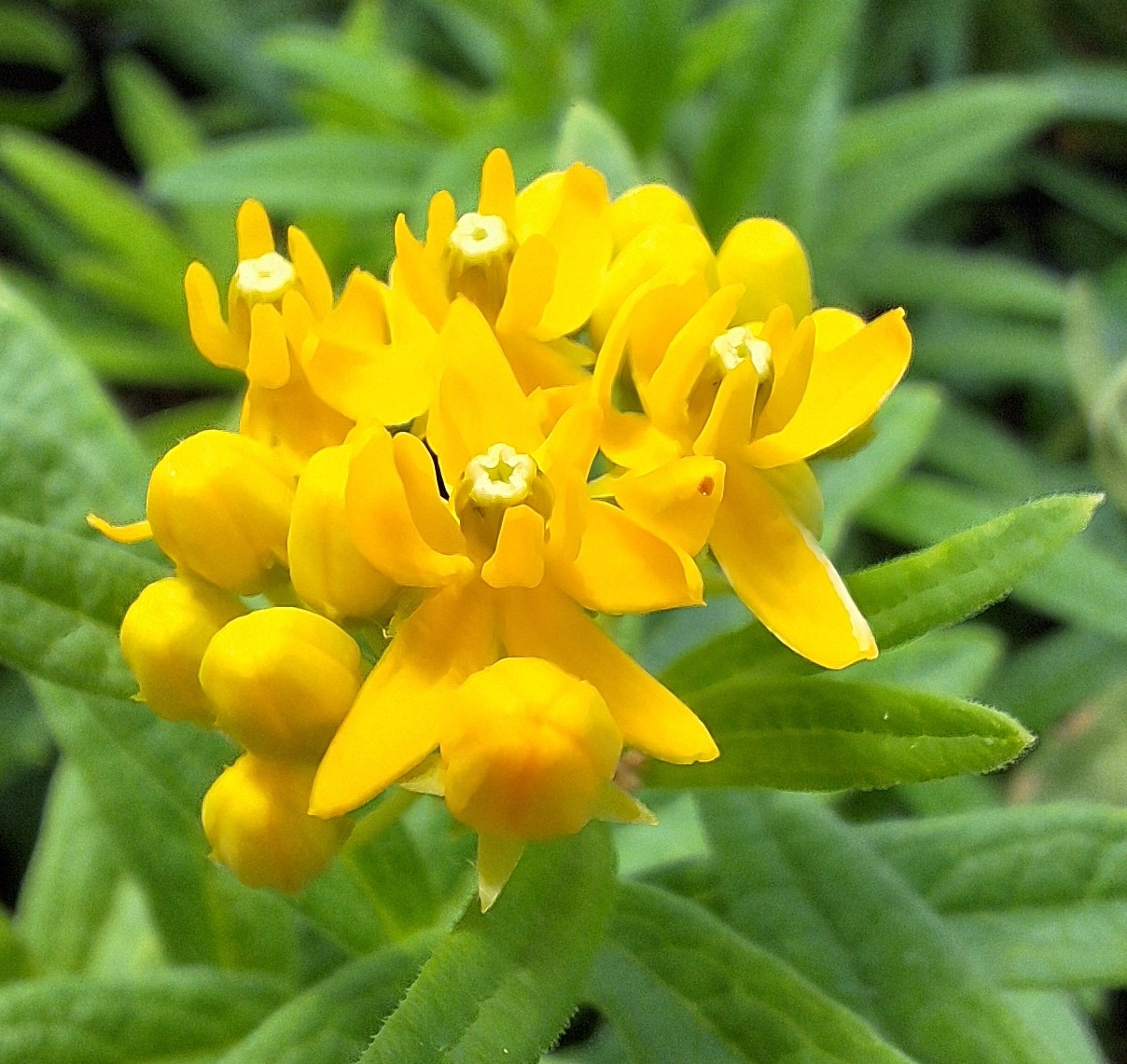
This milkweed does best in well-draining soil in a bright, sunny section of your yard. It’s perfect to use it as an individual accent piece, line walkways, or as a larger cluster to form a larger bush or massing. They can be grown in containers, but they can be a bit temperamental if they’re not given their preferred wet-dry cycle.
Swamp Milkweed (Asclepias incarnata)
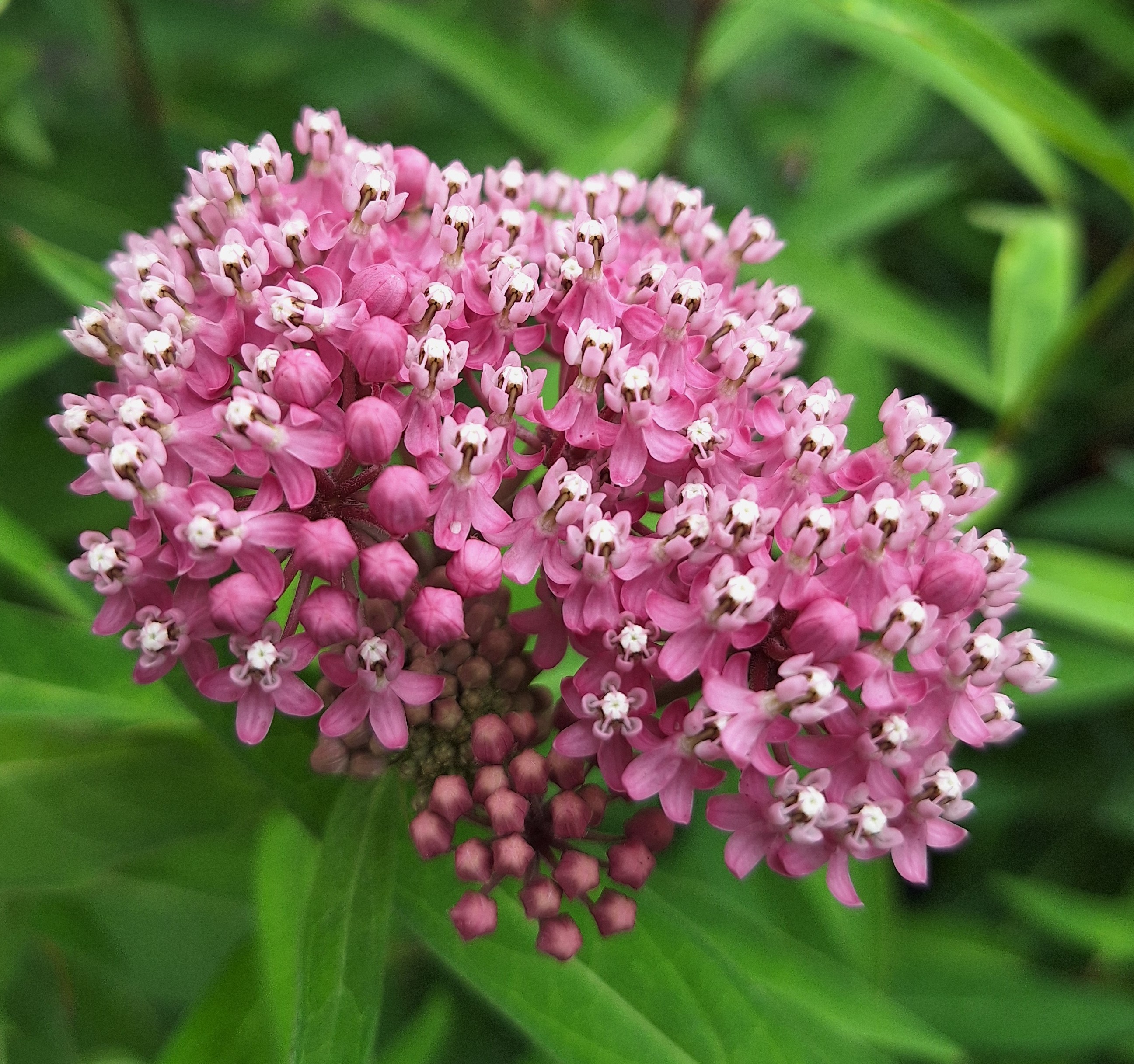
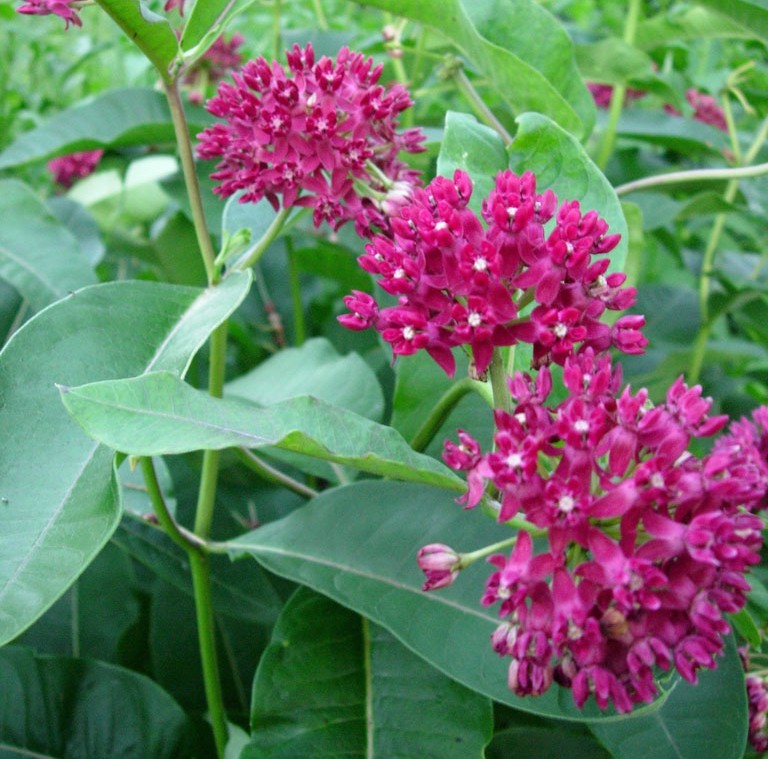
The tall, dark and handsome Asclepias is the Swamp Milkweed – rebranded by the nursery industry to Rose Milkweed (how romantic) – and it has definitively won over our hearts. This milkweed sports flowers ranging from bright pinks, as seen above in the the ‘Cinderella’ cultivar, to the completely white ‘Ice Ballet’ cultivar. This tall glass of water will produce numerous stems that can grow up to 1.5 meters, but be careful, they can be a bit dramatic if they aren’t getting enough water to simulate their native wetland habitat (see image below).
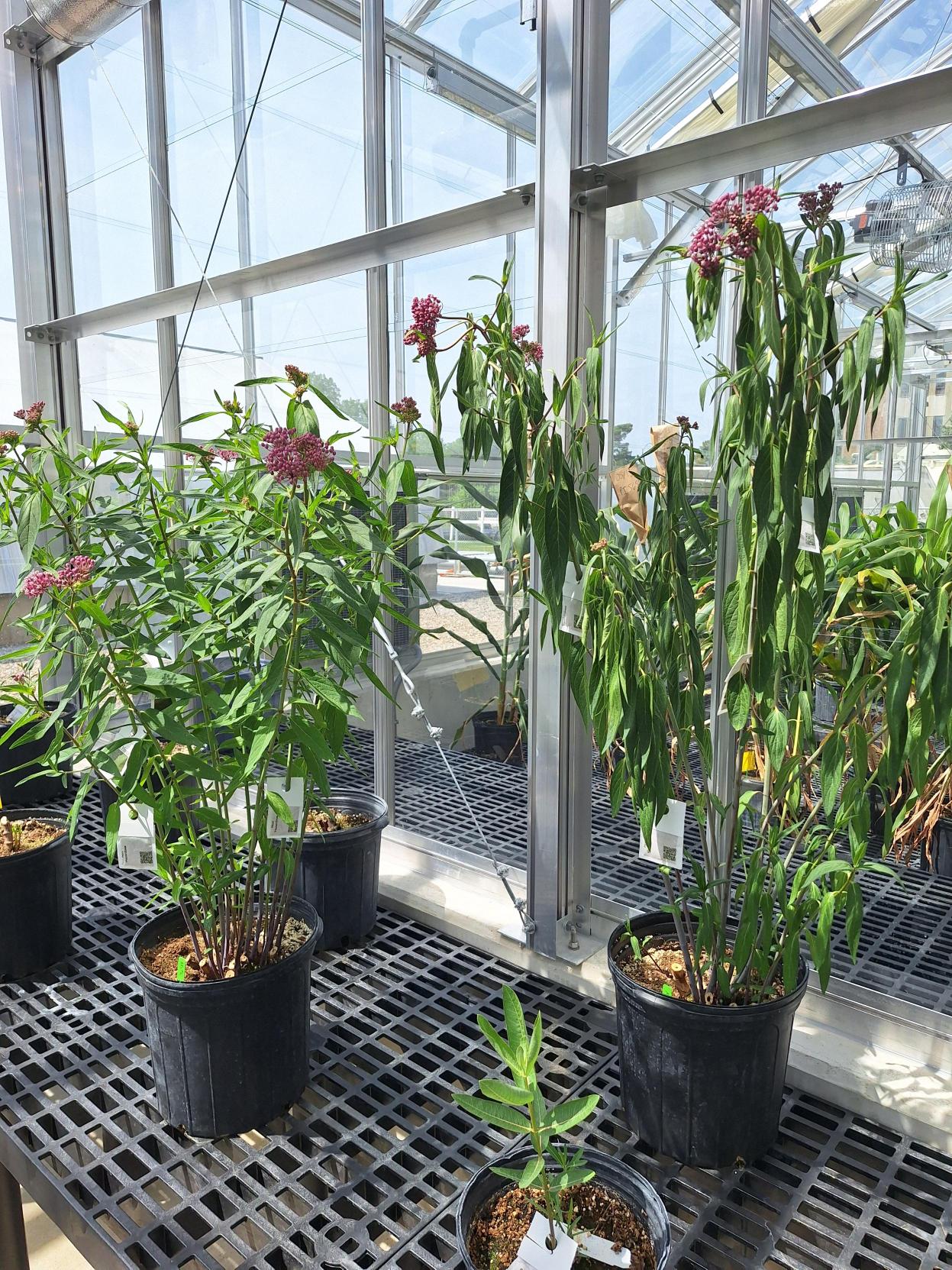
This milkweed is great as a large, showy fixture in your garden. At 4-6 feet tall and with a perfect vase shape, it can stand alone as a centerpiece or tower over smaller statured plants. Alternatively, it would love to cuddle up next to any water fixture or wet spot in your garden to stay hydrated. This is a perfect choice as a ‘thriller’ for container growing!
Common Milkweed (Asclepias syriaca)
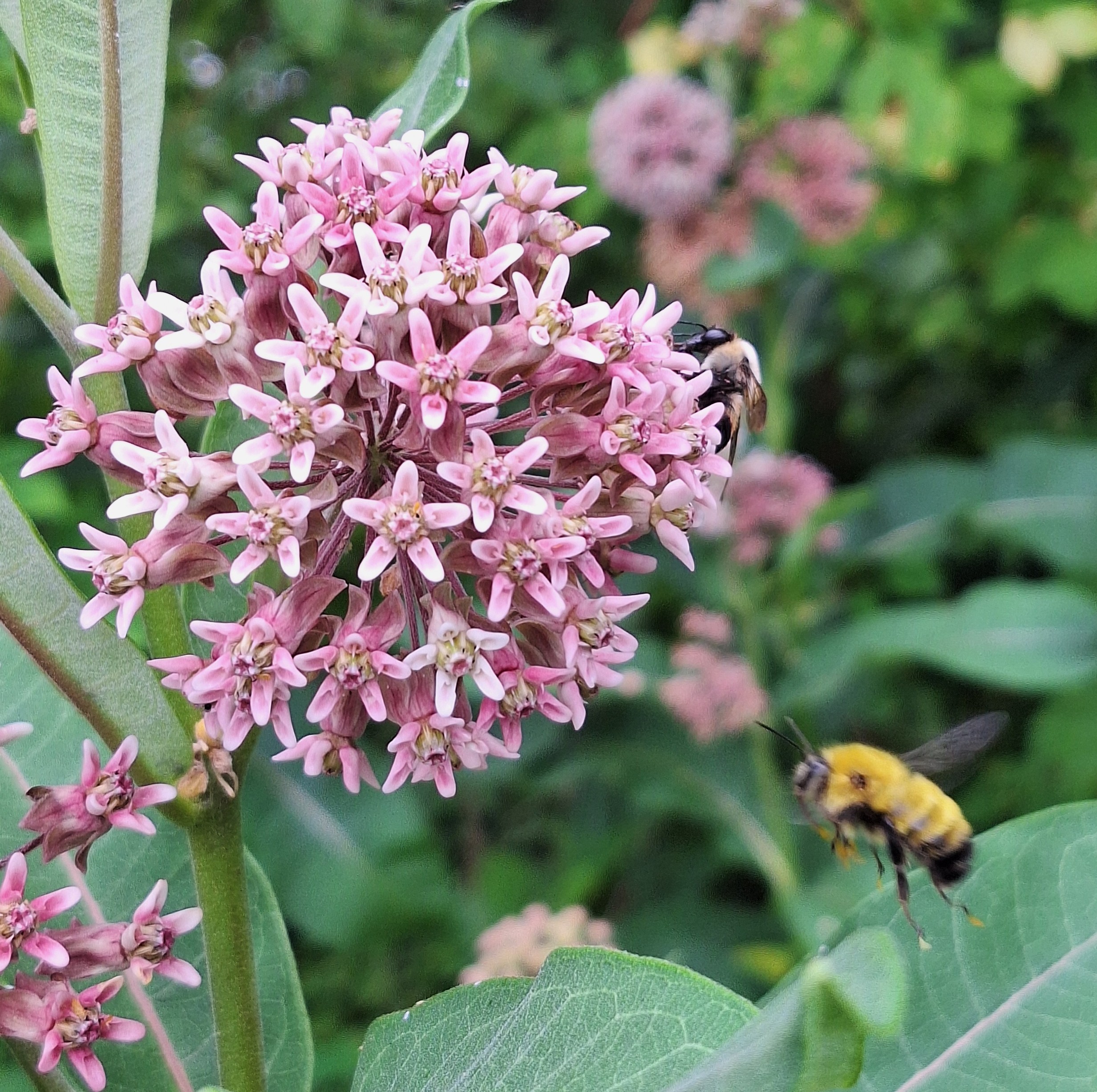
This is the plant pollinators tell you not to worry about. They’re not like other native ornamentals, they’re better. Complex mauve and white flowers in ball-like inflorescences and broad no-nonsense leaves make sure you know them when you see them – and they are everywhere! Commonly (and unfairly) described as a weed, many are beginning to see this underappreciated plant in a new light. This is THE workhorse of migrating monarch support, drawing many, many pollinators.
This milkweed loves full-sun and well-draining soil but will truthfully grow just about anywhere. It does like to take long walks on the beach (or outside of your intended planting area), but planting a sizeable patch of these will not only look beautiful but is probably one of the best things you could do for the ecosystem in your area.
Plenty of fish in the sea…
Even if none of these milkweeds strike your fancy, there are plenty of Michigan natives that are available by ordering seeds online or by checking in with a native nursery near you – there are milkweeds for every type of garden. Don’t have a bunch of full-sun areas in your garden? The forest dwelling Poke Milkweed (Asclepias exaltata) could be perfect for you! Want a shorter species but don’t want the bright colors of Butterfly Weed? Whorled milkweed (Asclepias verticillata) or Green Milkweed (Asclepias hirtella) would be great for achieving that cottagecore aesthetic. Want something that your guests will have never seen before? It may take a little more effort to obtain but Purple Milkweed (Asclepias purpurascens) is sure to wow everyone who sees it.
In short, there are more milkweeds out there than anyone could ask for, and online dating (that is to say, buying native seeds off the internet) is all the craze right now. Just remember, the most important thing is to just be you.