


Finalizing your estate plan is essential to your legacy
 Print
 Email
Estate planning does not end at drafting documents. Signing and implementing your estate plan ensures that it can be carried out effectively.
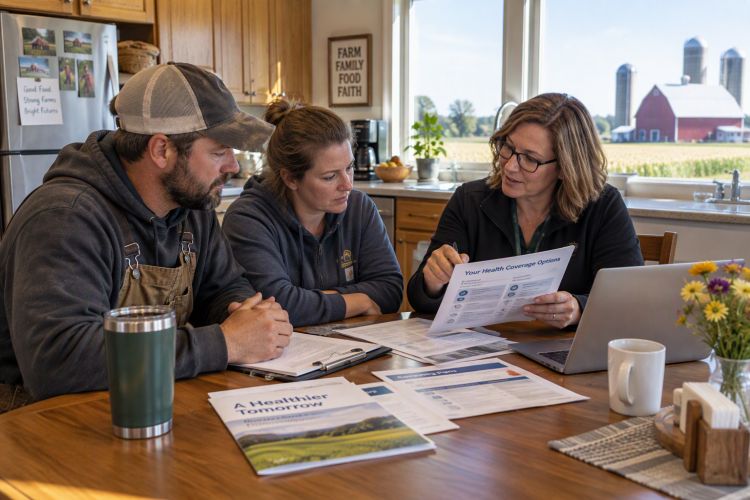
Many farmers spend a lifetime building their farm and thinking about its future. Developing an estate plan is a critical part of preparing for that future, but the process does not end when your attorney sends you the first draft of the documents.
Drafting your estate planning documents is a major accomplishment. You have made difficult decisions and started putting your plans for the farm and family on paper. But an initial draft is not a finished estate plan. The documents still need to be reviewed, revised, finalized and signed. After that, additional steps may be needed to put the plan into effect.
Make your plans official
It is easy for the estate planning process to stall after the first draft. The documents may be long and reviewing them may raise new questions. There may even be decisions that still need to be made.
Work through those questions with your attorney. Request any needed revisions and review the updated documents to make sure they reflect your plans. The goal is to move from a draft waiting for your attention to final documents that are ready to be signed.
When your estate plan is eventually put into action, you will not be there to explain what you intended or to help put the pieces together. Make sure others who have a role in the plan understand the basics of it and have completed anything required of them.
Put the plan into effect
Signing your documents is another major milestone, but it may not finish the job. Some parts of an estate plan require additional action before they will work as intended. If your estate plan includes a trust, for example, assets will need to be titled in the name of the trust, a step called “funding the trust.” Work with your attorney, financial planner and other advisors to make sure the assets are properly transferred into the trust.
Beneficiary designations also need attention. Some financial assets, including bank accounts, investment accounts, retirement accounts, and life insurance policies, may pass directly to a named beneficiary rather than through your will. An outdated beneficiary designation can result in an asset going to someone other than the person identified in your updated estate plan. You will need to check and ensure that these assets are in line with the estate plan.
Organize the information your family will need
Your family will need more than legal documents to carry out your plans. Consider what someone would need if they suddenly had to step in and manage the farm, handle financial matters, or begin settling your estate.
Organize important information. Note where estate planning documents and other records are located. Create a list of farm and personal assets, insurance information and contact information for your key estate planning professionals. These include your attorney, accountant, lender, financial planner and insurance agents. Your family should know where to find this information and who will need access to it.
Several tools are available to help farm families organize this information in one place. The FARMS Spreadsheet Tool and Code Red spreadsheet both offer a way to organize critical information when your family needs it.
Communicate with your family
One of the most important parts of completing an estate plan is communicating with the people who will be affected by it. Clear communication about what your major decisions are, as well as the reasoning behind them and the values that shaped them, can help reduce family conflict. Everyone does not have to agree with every decision, but understanding why decisions were made can reduce uncertainty later.
The people who have responsibilities under the plan also need to understand what they will be expected to do when the time comes. Again, make sure they know their roles and where to find the information they will need.
Finish the process
Estate planning takes time, and drafting the documents is real progress. But do not let the process stop there. Work through the remaining questions, finalize and sign the documents, complete the steps needed to implement them, and make sure your family has the information needed to carry out the plan. You have already done much of the difficult work. Finishing the process puts that work into action and provides a clear structure for carrying your plans for the farm and family forward.
Additional resources
MSU Extension's Estate Planning for Farmers: A Step-by-Step Guide discusses the steps needed to move from the beginning of the process to an estate plan that is fully in place.

