A legacy built on relationships: Becky Henne reflects on nearly three decades of service through SNAP-Ed
 Print
Print Email
EmailBecky Henne leaves Michigan State University with a legacy built on relationships, community leadership and service. Discover how her work helped shape SNAP-Ed and strengthen communities across Michigan.

When Becky Henne, who retired from Michigan State University Extension in September 2026 after nearly 27 years of service, reflects on her career, she thinks about the communities she worked with across the state. One community, in particular, stands out: Baldwin.
Like many rural communities, Baldwin faced significant economic challenges. Residents cared deeply about improving food security for their neighbors, but many weren't sure how to turn that commitment into action.
With support from MSU Extension through coaching, encouragement and technical assistance, community-members built confidence and began developing local solutions, including a community choice food pantry and community gardens. Those early efforts eventually earned multiple recognitions from the Governor's Office and laid the foundation for a school garden initiative that brought science education and fresh produce directly to Baldwin students.
But for Henne, those early successes were only the beginning of what the community could accomplish.
“What stayed with me wasn't the recognition,” Henne said. “It was watching individuals who didn't initially see themselves as leaders step into that role and make a lasting difference in their community.”
That experience reflects what Henne learned over nearly three decades with MSU Extension: meaningful change happens when communities are empowered to lead it themselves.
Relationships like the one she built with the community in Baldwin became the foundation of a career that helped shape SNAP-Ed in Michigan. As state SNAP-Ed coordinator, Henne helped lead a statewide effort that reached millions of Michigan residents and expanded access to nutrition education, physical activity opportunities and community-driven health initiatives.
In recognition of those contributions, Henne received Michigan State University's Distinguished Academic Staff Award in 2026, one of the university's highest honors for academic specialists and Extension professionals.
“Rebecca Henne's career reflects the highest character and values of Michigan State University: integrity, innovation and impact,” said Quentin Tyler, director of MSU Extension and senior associate dean for outreach and engagement. “Rebecca is a trusted colleague, a thoughtful mentor and a tireless advocate for excellence.”
Building a legacy
Henne joined MSU Extension in 1999 as a 4-H Youth Development educator before transitioning into nutrition and food security work. She eventually became state coordinator for SNAP-Ed, overseeing more than $85 million in funding and leading a statewide team of more than 110 staff members serving communities in all 83 Michigan counties.
But Henne's influence extended beyond the communities and staff she worked with directly.
Jennifer McCaffrey, assistant dean for health and community wellness and executive director of the Center for Food Systems, Nutrition Security and Health Integration, worked alongside Henne through regional SNAP-Ed leadership efforts and saw that impact firsthand.
“Becky has built SNAP-Ed in Michigan as a sought-after model, and she has done it with ease and grace,” McCaffrey said.
Colleagues often described Henne as “the steady compass in a sea of change,” reflecting her ability to guide teams through shifting federal requirements, funding structures and public health priorities while keeping the focus on communities.
More than nutrition education
For Henne, the program's impact came from recognizing that education alone wasn't enough.
“The impact was significant because SNAP-Ed addressed both knowledge and access,” Henne said. “Education can tell people what healthy choices look like, but communities also need the resources and environments that make those choices possible.”
Between 2001 and 2025, MSU Extension SNAP-Ed efforts reached more than 4.5 million people through nutrition education, physical activity promotion and community change initiatives.
Erin Moore, associate director of the Health and Nutrition Institute at MSU Extension, said Henne played a central role in the program's evolution.
“She has been instrumental in every major programmatic pivot in SNAP-Ed's history, from early home visits to classroom-based education to the comprehensive focus on policy, systems and environmental change,” Moore wrote. “Becky's ability to lead through transition strengthened both the program and the people behind it.”
Investing in communities and people
While statewide data tells part of the story, Henne says the most meaningful outcomes happened at the local level.
“Sometimes all it takes is someone believing in people, offering guidance and giving them a little push to help them realize what they're capable of accomplishing,” Henne said.
That belief in people extended to her colleagues.
Norma Lundeen, a planning and programming project manager with MSU Extension, who worked under Henne's supervision during the multistate Voices for Food project, said Henne intentionally created opportunities for others to grow.
“She recognized my strengths early in my career and provided opportunities to apply them in ways that advanced both the program and my professional growth,” Lundeen said. “Her humility, fairness and dedication to excellence make her not only a trusted leader but also a role model for the next generation of Extension professionals.”
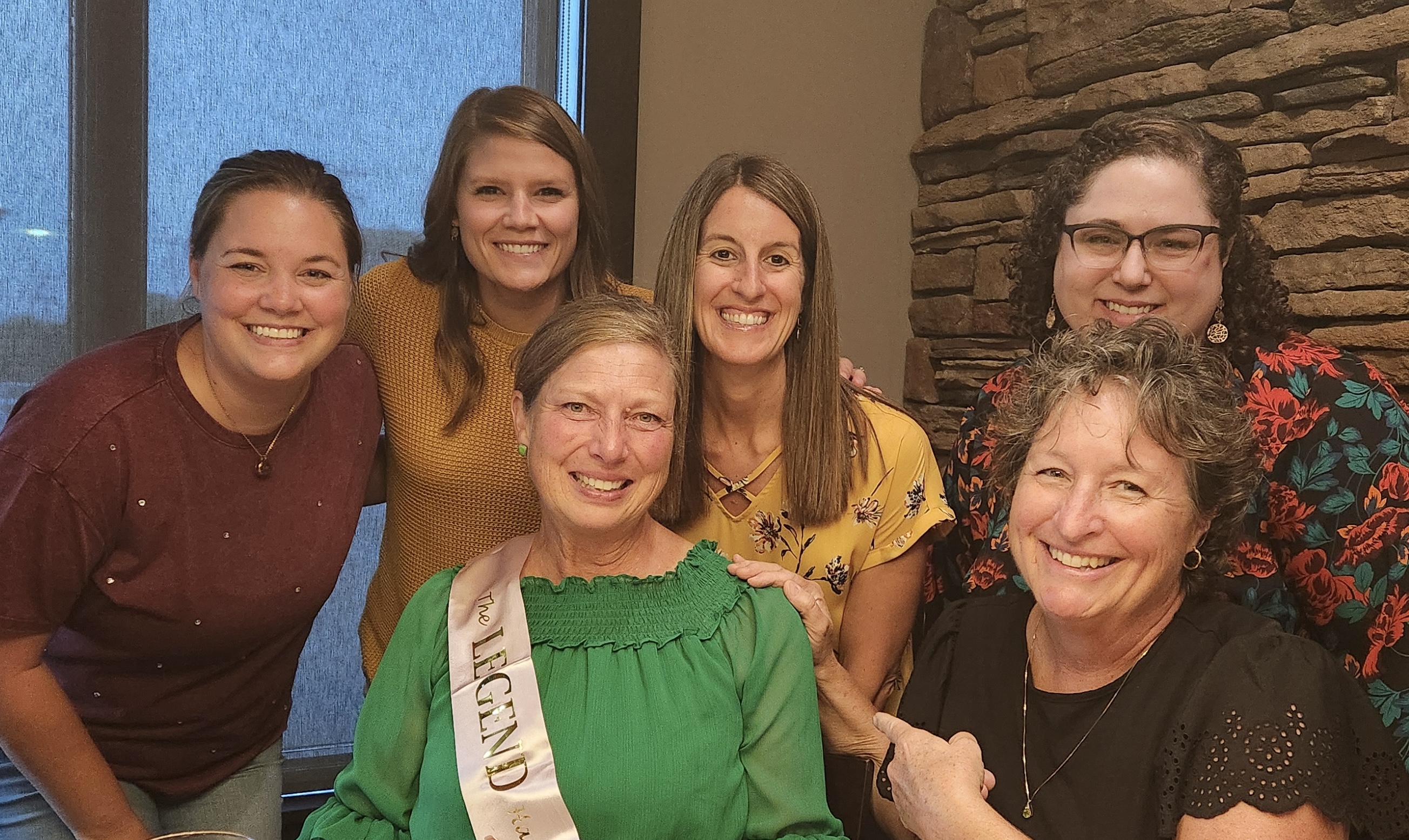
Sarah Eichberger, an MSU Extension educator who worked alongside Henne for more than a decade, described her leadership style as collaborative and empowering.
“Becky exemplifies servant leadership,” Eichberger said. “She shares power, elevates colleagues and consistently places the needs of staff first.”
A continuing mission
Reflecting on the conclusion of SNAP-Ed and her own retirement from MSU Extension, Henne says she hopes people remember the dedication of the staff who carried the program's mission into communities across Michigan.
“I hope people remember the dedication, compassion and unwavering commitment that SNAP-Ed staff brought to their communities every day,” Henne said.
While SNAP-Ed ended in Michigan in 2025, Henne believes the need for this work remains as important as ever.
One of her final contributions to the program's legacy was helping develop the Community Change Hub, an MSU Extension resource designed to ensure communities continue to have access to tools, strategies and support for creating positive change.
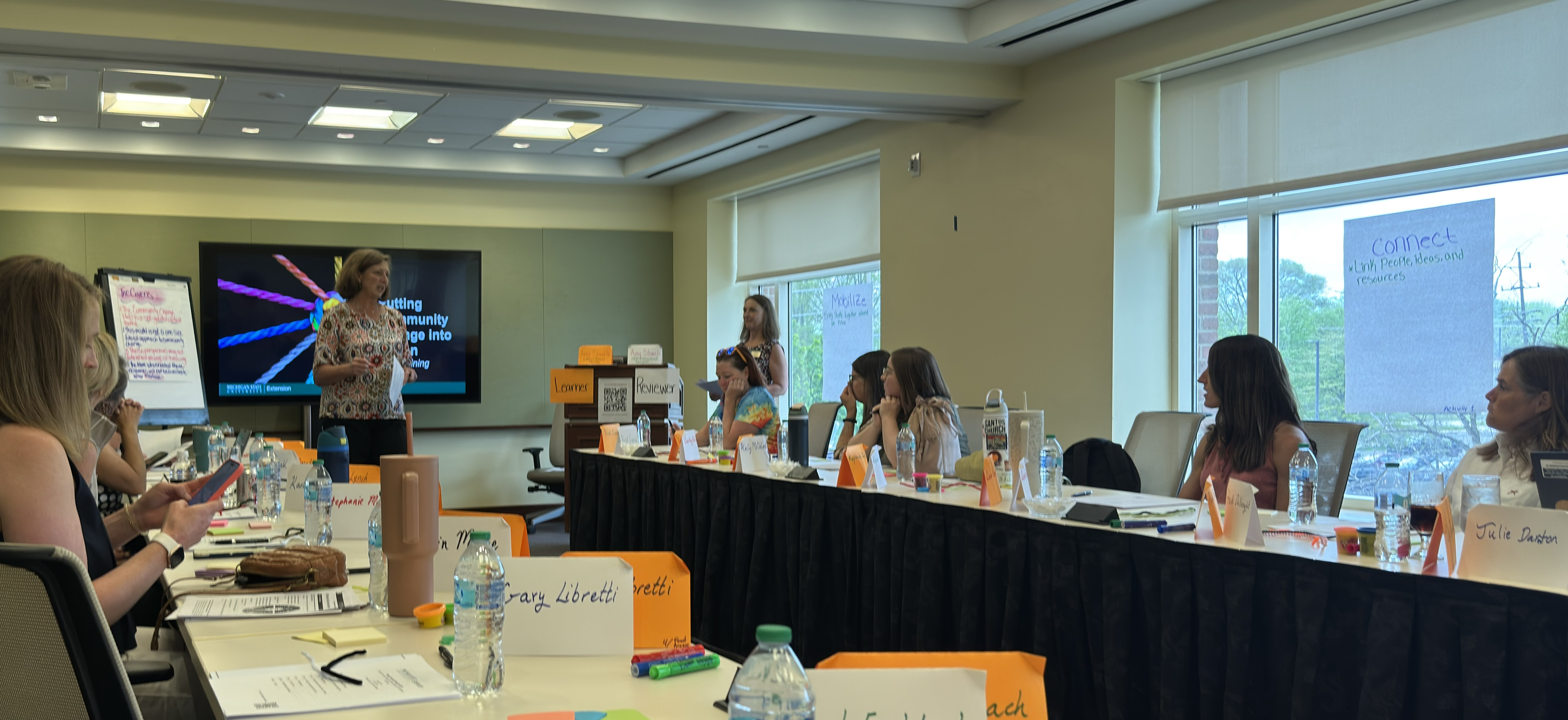
For the next generation of Extension professionals, her advice remains simple: “Start by building relationships. Grab a cup of coffee with your partners, spend time in the community and listen before you speak.”
She offers one final lesson: “The people you work with are the experts in their own experiences, challenges and opportunities. We are guests in their story.”
That philosophy shaped Henne's career and helped define SNAP-Ed's legacy in Michigan. While the program has ended and Henne has retired, the relationships and community capacity she helped build remain.