


A.J. Cook Arthropod Research Collection Gets a Major Upgrade
 Print
 Email
A recent donation from emeritus curator Gary Parsons has funded a comprehensive renovation of the A.J. Cook Arthropod Research Collection butterfly and moth room.
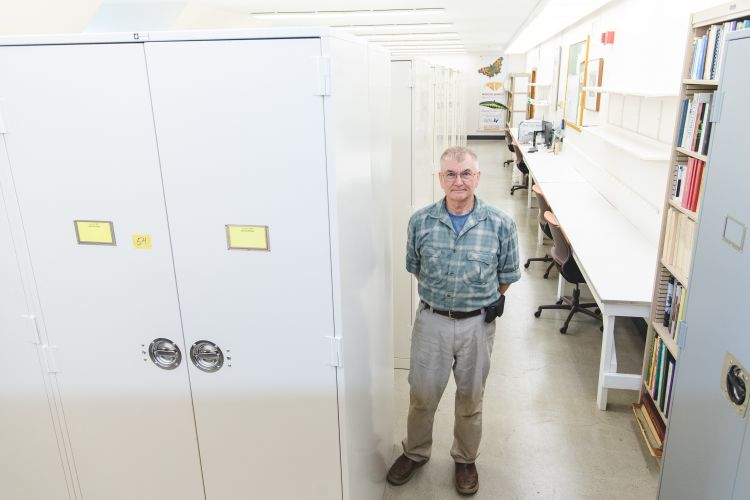
The Lepidoptera room of the A.J. Cook Arthropod Research Collection (ARC) has undergone a major transformation thanks to a generous gift from emeritus curator Gary Parsons. The updates improve preservation conditions for the moths and butterflies stored in the collection and create a more functional workspace for curators, researchers and students.
Since 1867, the ARC has served as an invaluable resource for researchers. Housing 1.5 million specimens, the collection documents insect biodiversity across time and geography and supports research conducted at Michigan State University and around the world.
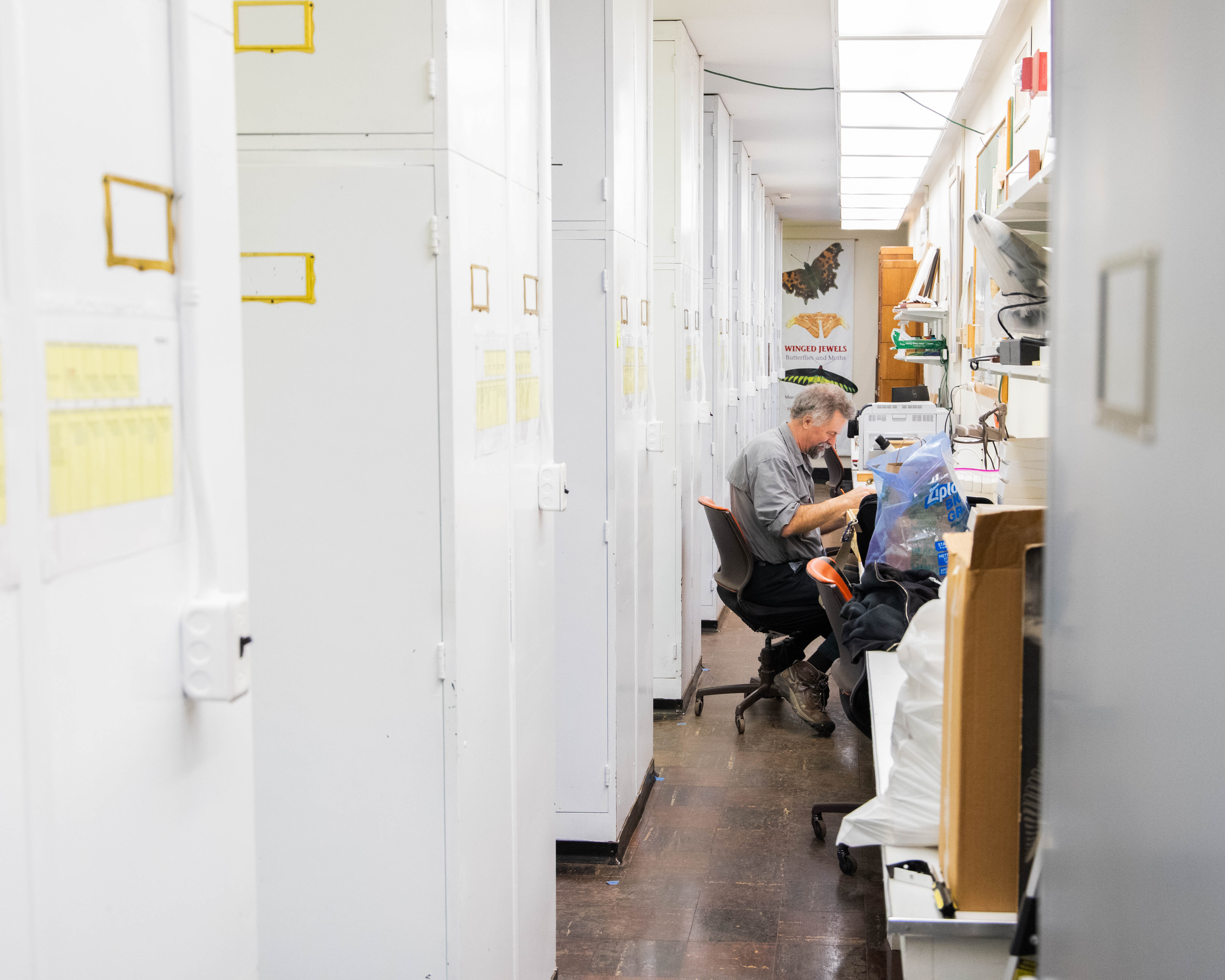
Parsons, emeritus curator and former collection manager, has spent almost 30 years working in the collection preserving the museums holdings, acquiring new specimens, and helping identify arthropods that support research throughout the MSU Department of Entomology. Currently, his primary focus is on the Lepidoptera collection, and he assists with the ongoing curation, digitization and cataloging of the collection to help make its vast holdings accessible to researchers worldwide.
The renovation effort was led by a team that included Sarah Smith, curator of the collection, and Anthony Cognato, director of the ARC. Their longstanding collaboration with Parsons helped pave the way for the project.
Although the collection's scientific value has increased over time, the physical space presents significant challenges. Housed across 10 different rooms on the top floor of the Natural Science Building, the space is especially vulnerable to temperature fluctuations and humidity concerns.
The cabinets in the Lepidoptera room dated back to the 1949 construction of the Natural Science Building and lacked proper seals to protect specimens from pests and humidity, issues exacerbated by the lack of air conditioning in the space. Floor-to-ceiling cabinets restricted airflow and blocked light, while the highest shelves were difficult to access safely. Narrow aisles, aging incandescent lighting and original asbestos flooring further complicated daily operations.
Past federal grants only funded digitization of specimens despite needed storage upgrades. Parsons' deep commitment to the collection and the scientific work it supports inspired him to fund the renovation of the Lepidoptera room.
"I inherited a bit of money a few years back and decided I could contribute enough to MSU to get this project done the way it needed to be to protect this part of the collection," Parsons said. "Since my recent curation efforts have been working with the Lepidoptera collection, accomplishing these renovations would make my continued work all that much easier."
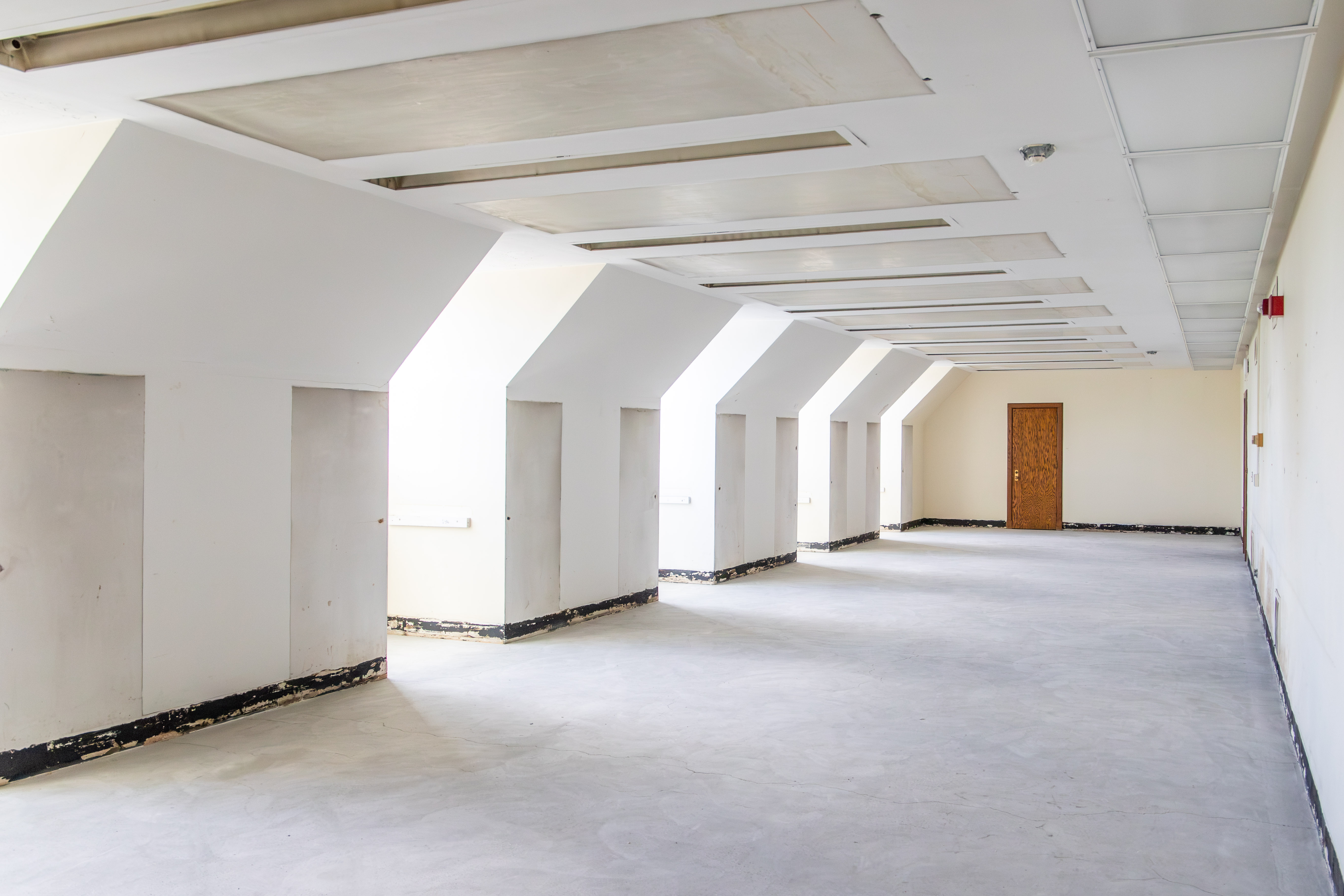
The renovation represented was a collaborative effort and required extensive planning and coordination. Before work could begin, ARC staff, faculty and students relocated the approximately 250,000 butterfly and moth specimens from the collection area into hallways and temporary storage spaces. Collection drawers were cleaned and rotated through freezers to eliminate potential pests before being placed in their new cabinets.
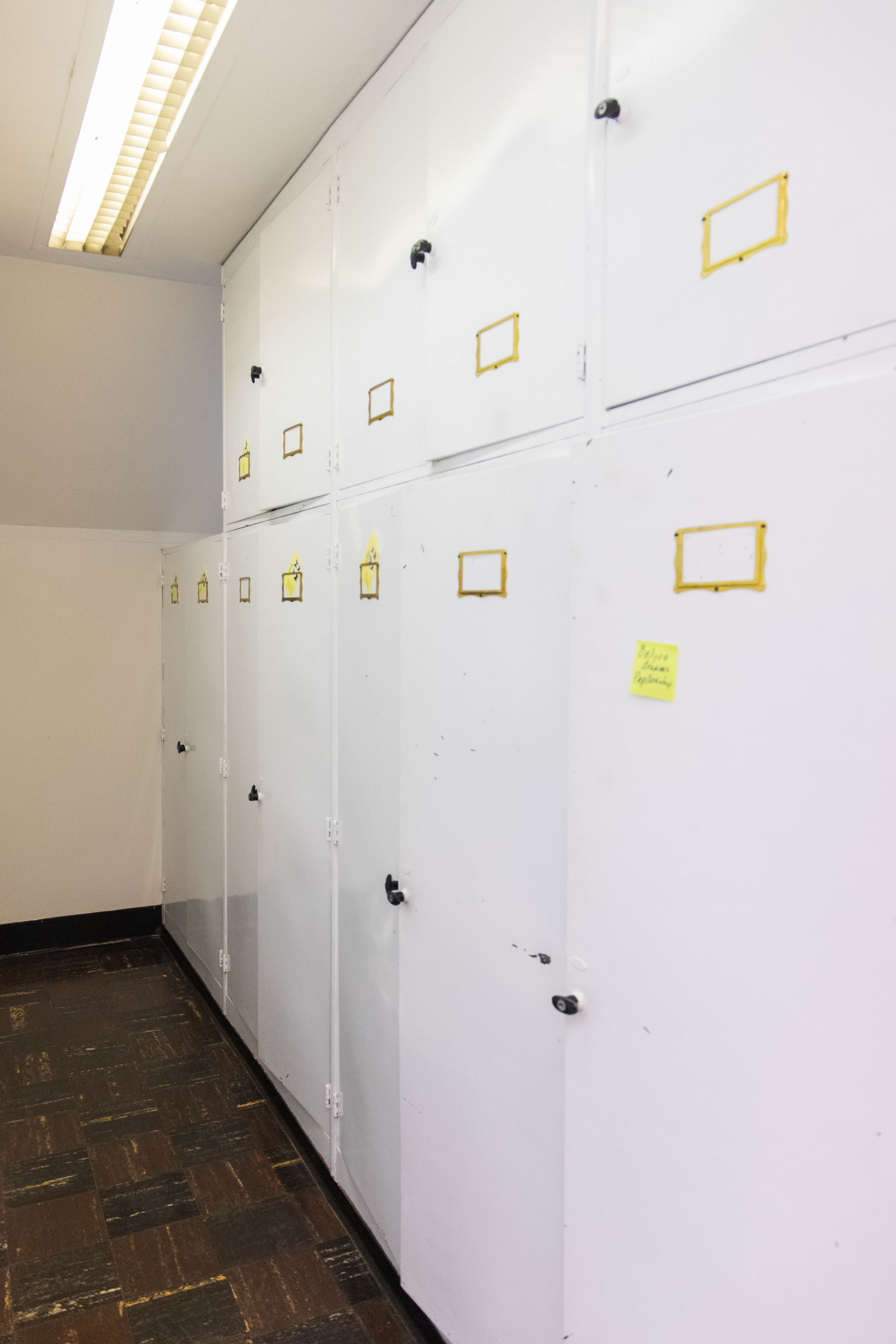
The renovation dramatically improved both specimen preservation and working conditions. New air-conditioning units were installed, and the aging floor-to-ceiling cabinetry was removed and replaced with modern, humidity-controlled cabinets capable of housing the same number of specimens while improving accessibility and airflow throughout the room. New flooring was installed following necessary asbestos abatement, and outdated lighting was replaced with energy-efficient LED fixtures that provide significantly better visibility for specimen identification and sorting.
"The new shorter cabinets, improved lighting and air conditioning have made the room much brighter and more inviting," Parsons said. "I hope to continue aiding in the curation of this and other parts of the collection as long as I am able."
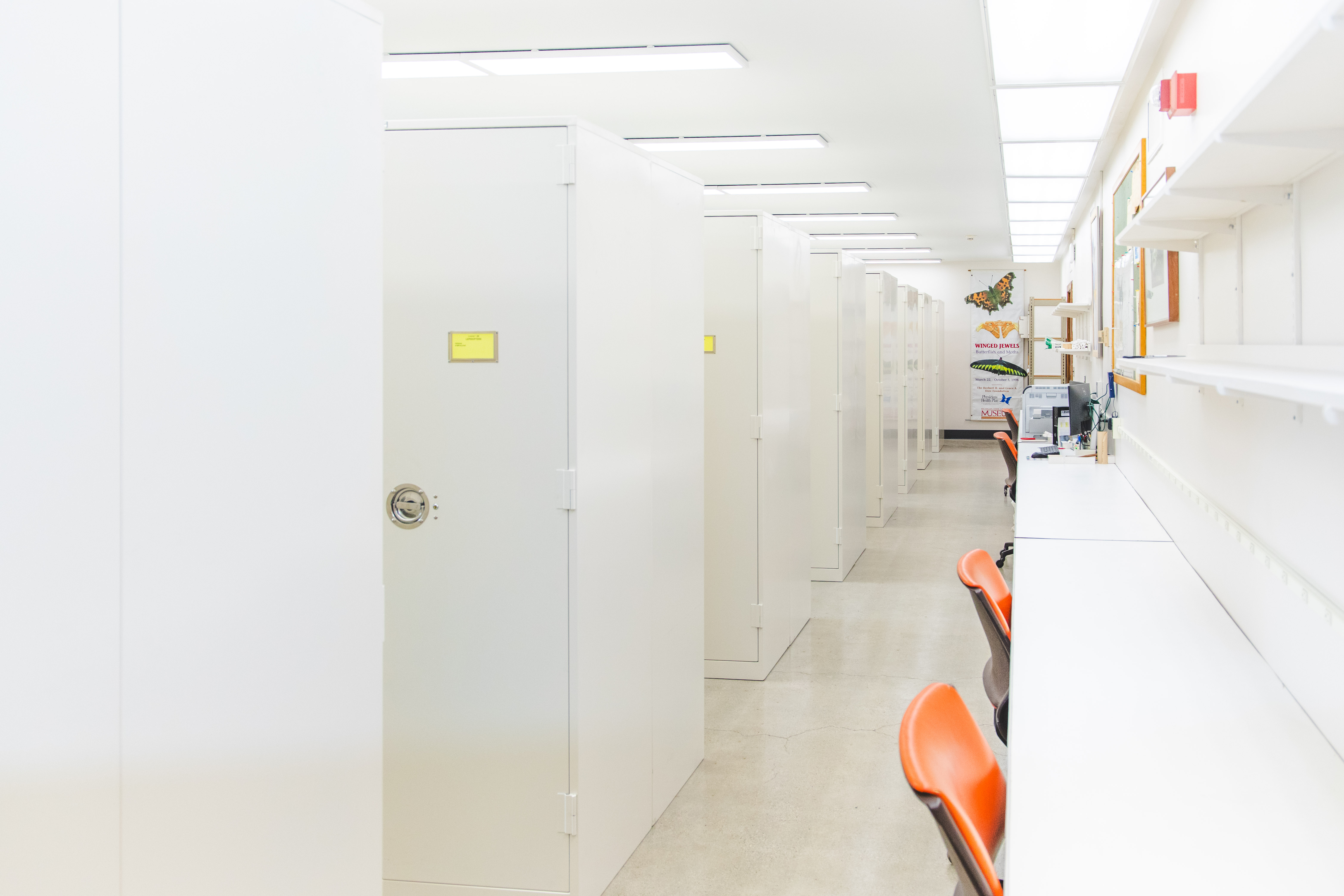
The updates give curators more room to conduct the detailed work required to maintain and expand the collection.
“Thousands of hours over decades were spent to collect, curate and identify the specimens in the ARC making the collection priceless,” Cognato said. “Money was well-spent renovating the butterfly and moth collection given that access to specimens of many species is no longer possible due to habitat degradation, for example."
The improvements will help ensure the long-term preservation of specimens that are irreplaceable scientific resources. Some specimens in the collection date back to the 1800s, providing researchers with a historical record of insect diversity and distribution spanning more than a century.
The collection is also home to numerous holotypes, the specimens used to define and describe species. These specimens serve as the definitive reference point for species identification and are critical to taxonomic research worldwide.
"The scope and scale of this renovation would simply not have been possible without Gary’s incredibly generous support,” said Department of Entomology Chairperson Hannah Burrack. “Gary made an indelible impact on the ARC during his time working in MSU Entomology, and we are so fortunate that he has continued his tremendous support and service into retirement.”
Learn more about the Albert J. Cook Arthropod Research Collection here.
Learn more about the MSU Department of Entomology here.

