


The 2026 southwest Michigan field crops season in review
 Print
 Email
Each growing season brings unique opportunities and challenges. Weather conditions, pest pressures and lessons learned shaped the 2026 crop season in southwest Michigan.
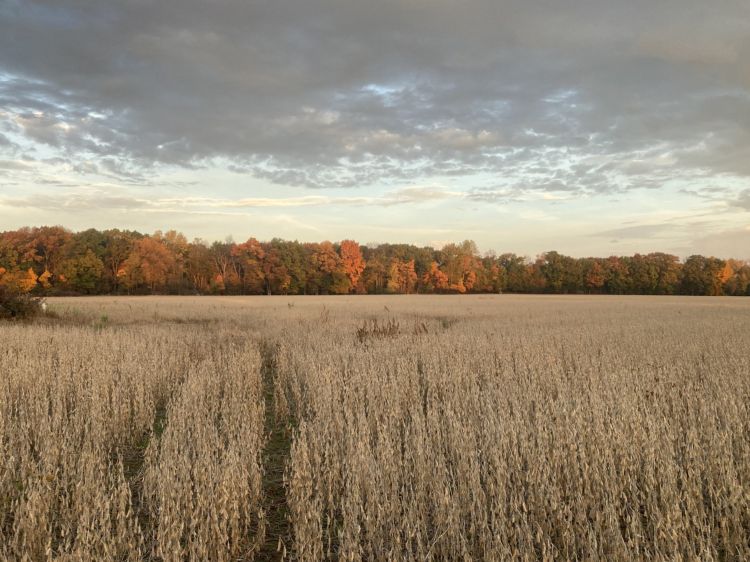
It’s important to keep good records of the different challenges and opportunities from each growing season. Records serve as a reference for future seasons and can help you learn from past successes (or struggles), adapt and respond to future challenges. This article provides an overview of findings in southwest Michigan.
Overall, 2026 was a quiet year pest-wise. Other challenges, such as a wet spring, high input costs and extreme temperatures during July, were main stressors. In many cases, you may have had a different experience, pressure or timing than those mentioned below. If so, note that and keep it in your records to help you respond to future crop challenges.
Weather
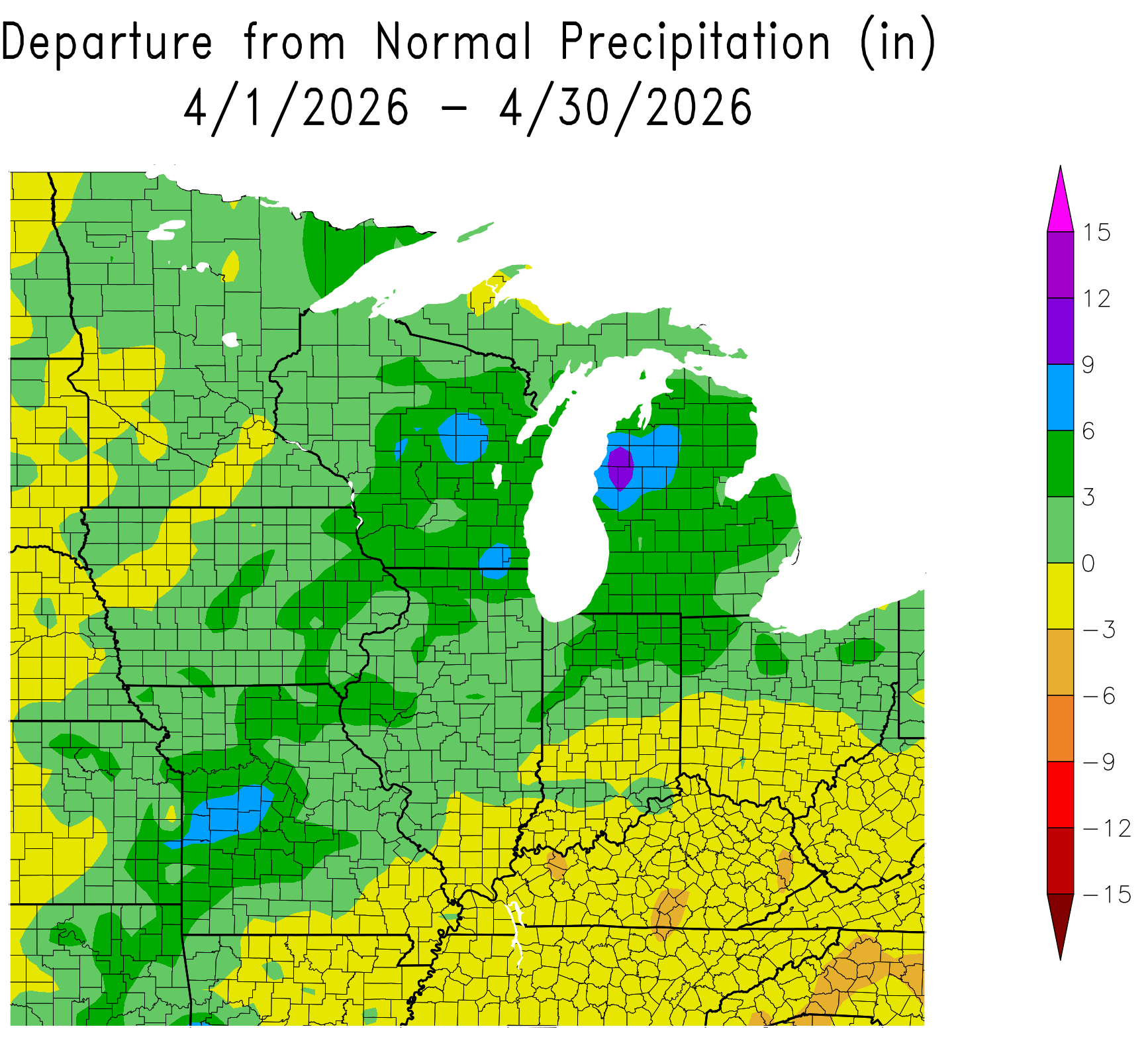
The 2026 season started out with cold temperatures and several precipitation events that delayed planting. April precipitation was 3-6 inches above normal, according to the High Plains Regional Climate Center. Temperatures warmed up in late May, and corn and soybeans emerged quickly. In June, severe storms with high winds caused damage to trees, houses, irrigation systems and some crops.
July was mainly hot and dry, with heavy smoke from Canadian wildfires arriving in mid-July. The smoke reduced solar radiation by about 25% in southwest Michigan for a few days. Temperatures ranged considerably in July and August from cool, fall-like temperatures to hot, humid temperatures that drove up the heat index.
Besides significant rainfall in late September, weather leading into and during harvest was quite dry with mild temperatures. In general, harvest began later than usual because crops were slower to dry down this year than in the past couple years. However, harvest progressed quickly once the crops dried down. By the middle of November, it was wrapped up in much of southwest Michigan.
Crops and pests
Soybean
Soybean planting started with a few acres of early soybeans in the last week of April. In most cases, soybeans emerged quickly and had few concerns this season.
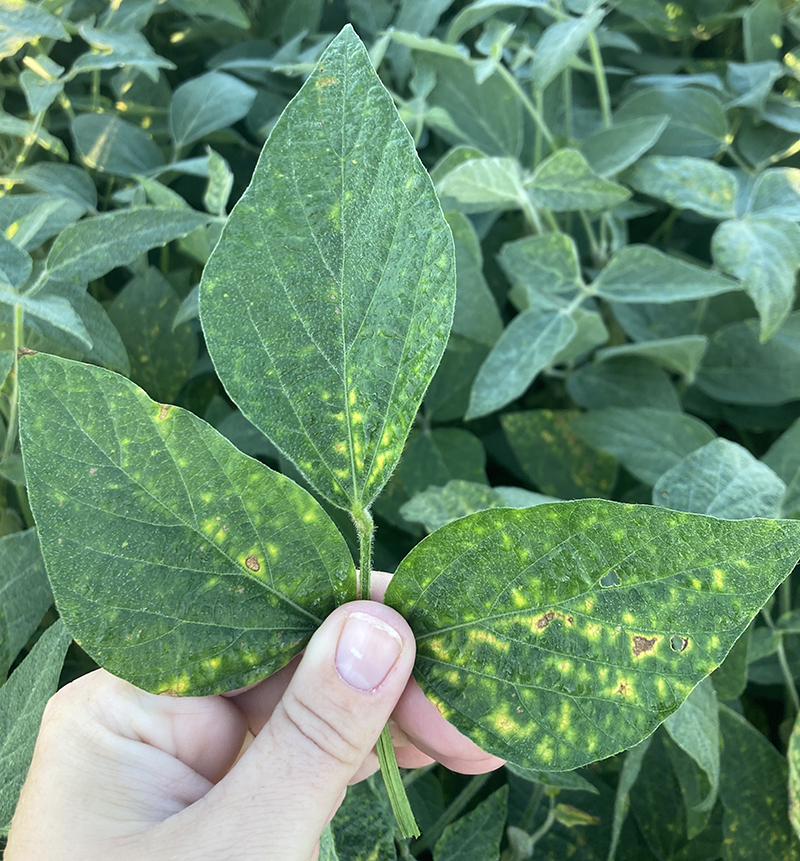
Red crown rot is an emerging disease in the Midwest that was on the radar for 2026. While not yet confirmed in Michigan, it looks similar to sudden death syndrome and brown stem rot. The Michigan Soybean Committee and the United Soybean Board covered the cost of sampling and testing symptomatic soybeans for red crown rot. None of the samples submitted in 2026 were positive, and red crown rot detection will continue to be a priority in 2027. More information on red crown rot can be found in the article “Red crown rot: A new threat to soybean production.”
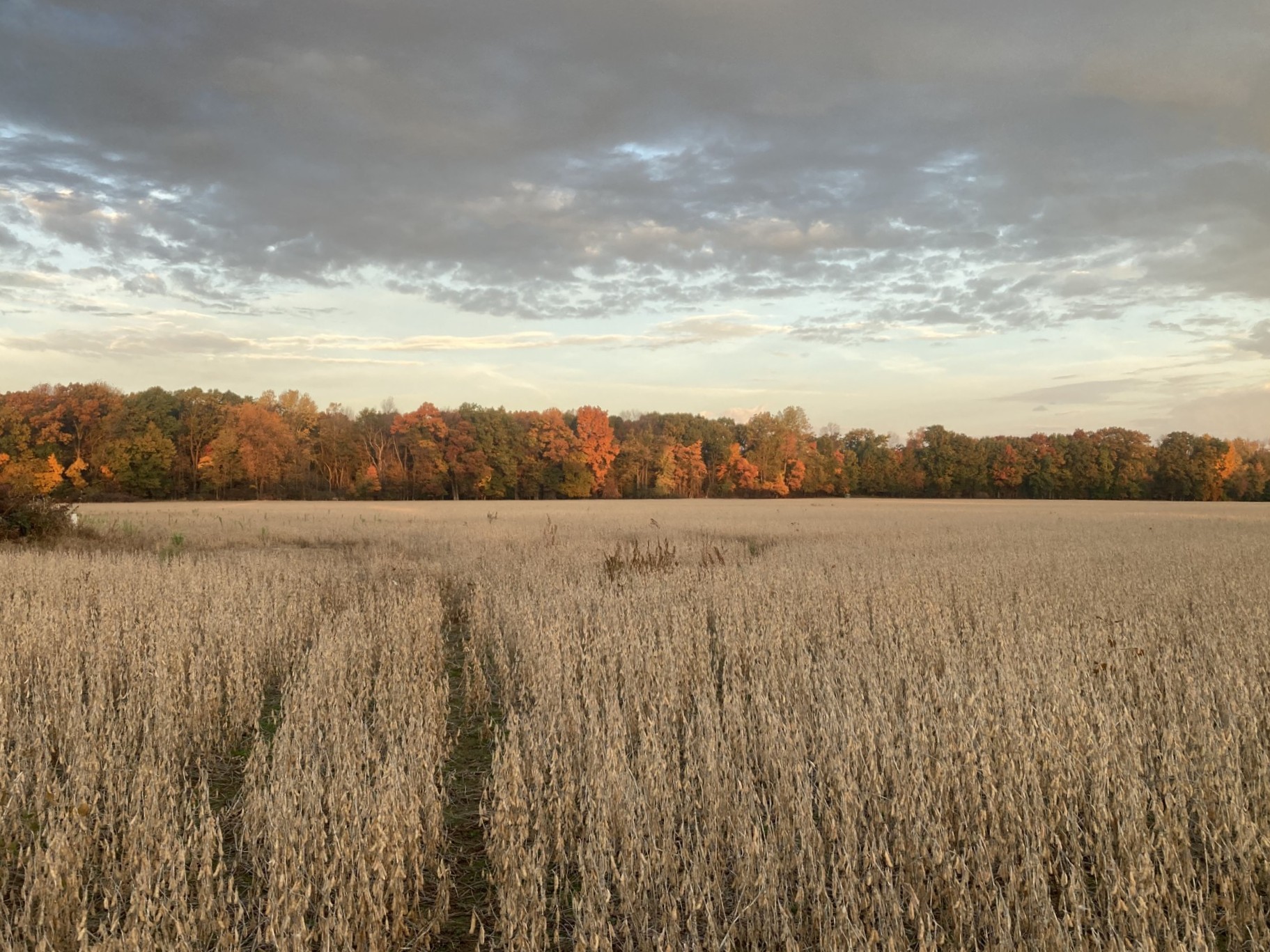
While soybeans were a little slower to dry down than typical, harvest progressed quickly thanks to a good stretch of dry, mild weather. Many growers reported above-average soybean yields and test weights.
Corn
Corn had a bit of a slow start this spring but recovered quickly as temperatures took off in late May. True armyworm was active early in the season and affected some corn acres, although it hit wheat and forages harder than corn in most cases.
Tar spot was confirmed in Calhoun County on July 13 but wasn’t confirmed in other southwest counties until mid-August. In general, foliar disease pressure was lighter than usual during critical growth stages such as pollination. Reports of corn earworm pressure in seed corn came in late in the season, which affected yield and quality in some fields. An unidentified leaf spot with symptoms similar to paraquat injury also affected corn late in the season, with nearly every field affected to some degree. Samples were submitted, and analysis is in progress to determine what caused the disease and how much it affected yields. Read more about it in “Emerging leaf spot disease of corn under investigation in Michigan.”
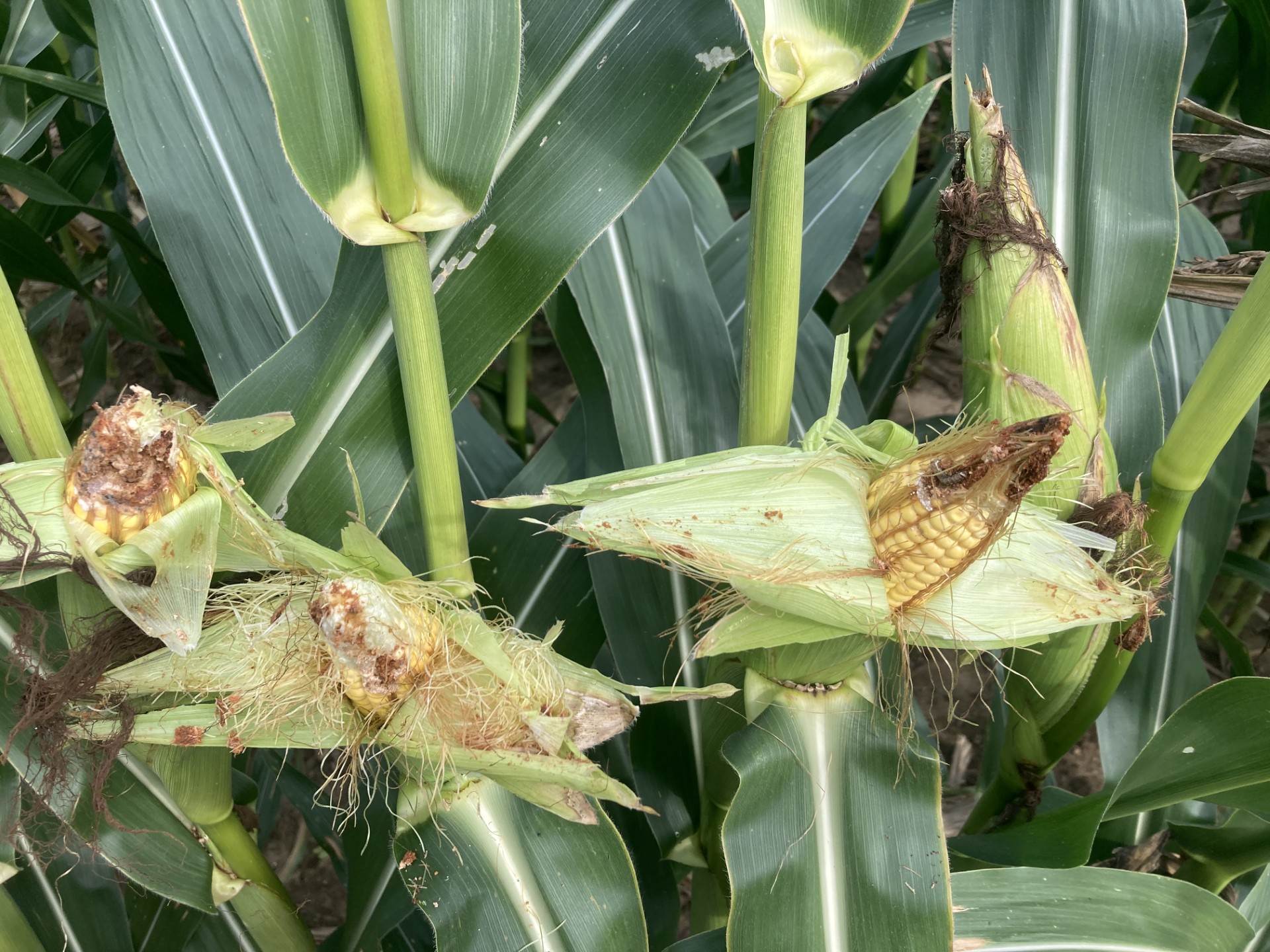
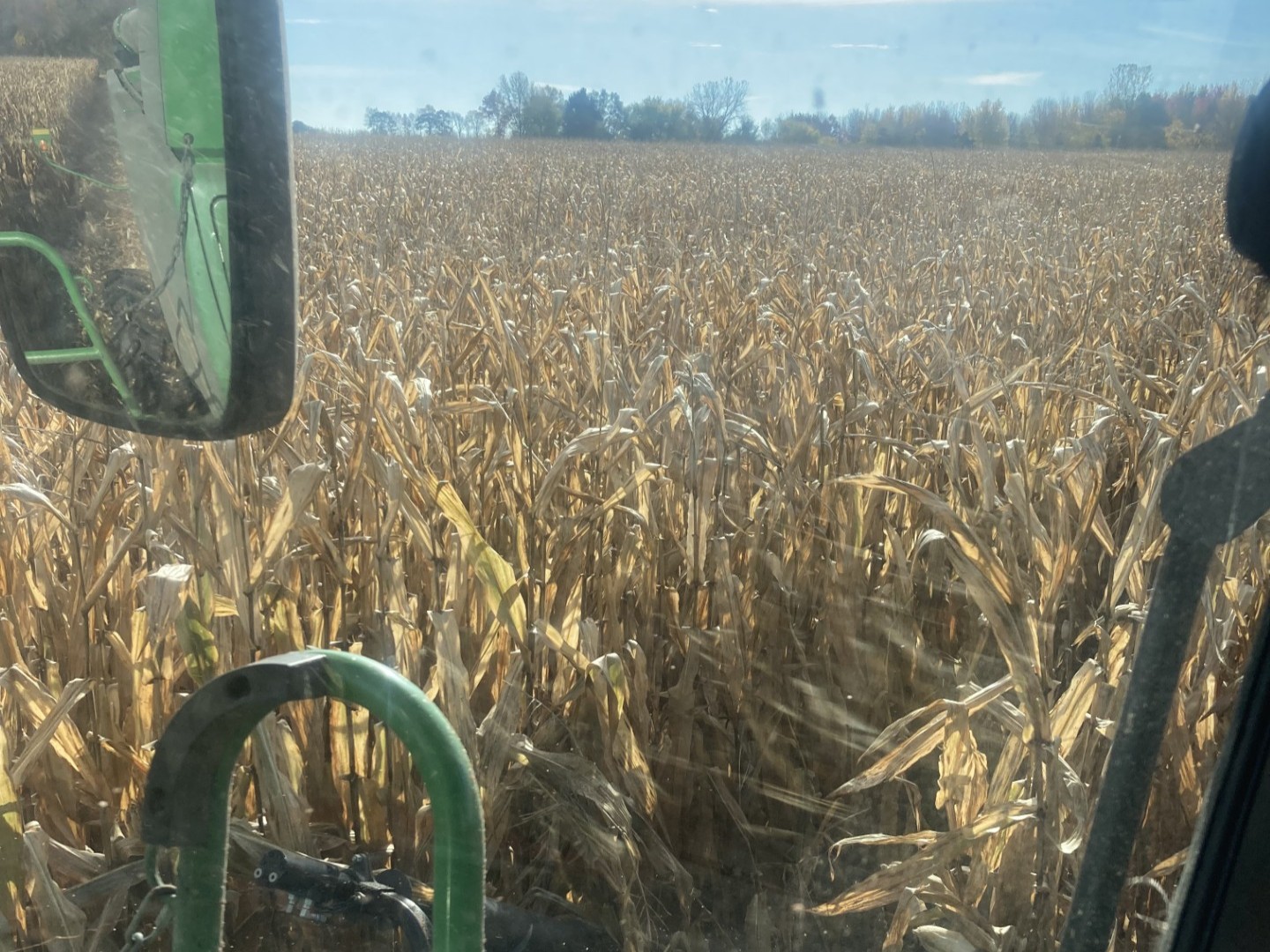
Many growers have reported lower corn yields this year. Harvest is not quite finished up, but early conversations suggested that yields were down by around 10% in the region in mid-October.
Winter wheat
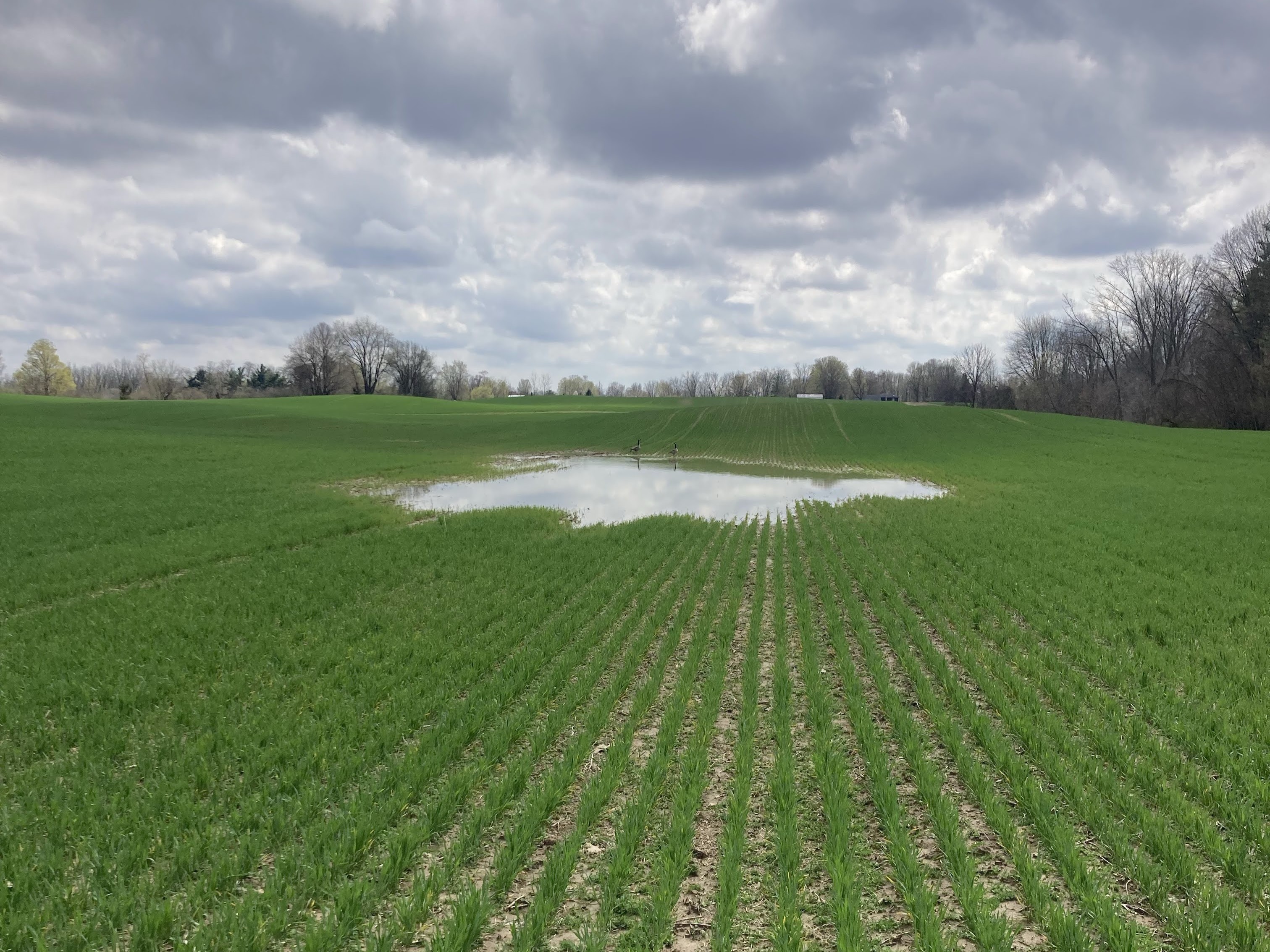
Conditions in the fall of 2025 were a bit dry but otherwise good for winter wheat planting. Green-up started in early March, and wheat developed quickly early in the season. Wheat hit Feekes 6 (jointing) in mid-April, which was about a week ahead of the past couple years. Heavy rains during this time interfered with nitrogen application and caused water to pool in fields, which reduced stands, stressed plants and leached nutrients from the root zone. Frosts in nearly every week in April also stressed the plants and caused light damage to the developing head.
Foliar disease pressure was relatively low in wheat this year and did not cause economic damage in most cases. However, chlorosis from nutrient deficiencies was visible on sandy fields as flag leaves emerged at the end of April. Flowering occurred in mid- to late May and was overlapped by true armyworm pressure. True armyworm did not cause economic damage in most fields, but some fields—especially on the northern extremes of southwest Michigan—had significant leaf feeding and clipping of wheat heads.
There were also more aphids in 2026 than in past seasons, although they rarely reached economic thresholds.
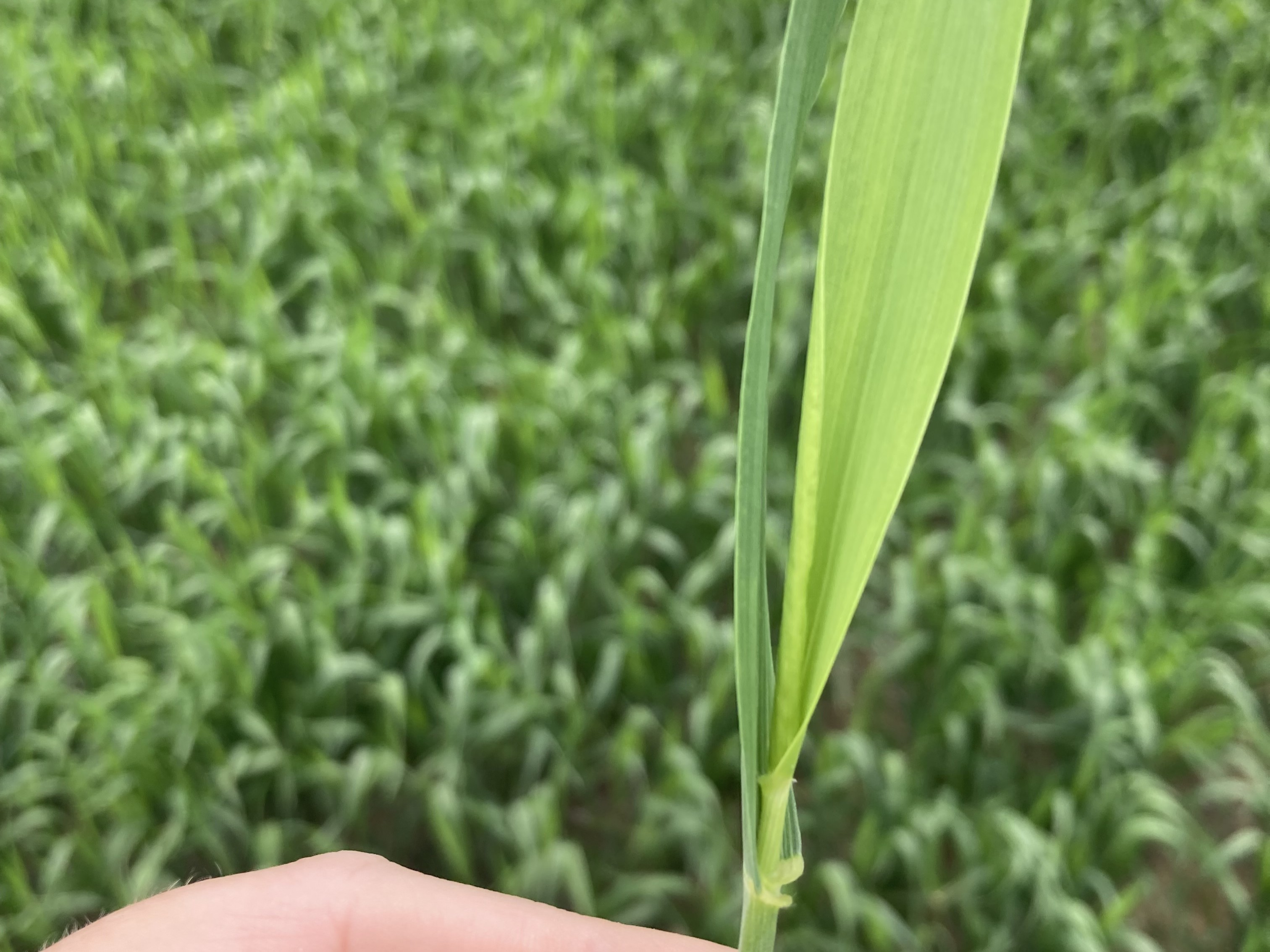
Wheat yields were about average, and test weights were good, most likely due to the moderate temperatures during much of the spring. Planting for 2027 began in late September under good conditions and continued into October.
Forage
Early-season rainfall caused standing water in some alfalfa and forage fields. Alfalfa’s tolerance of wet soil is dependent on temperature. At 61 degrees Fahrenheit, alfalfa can survive being in standing water for 14 days, and at 70 F it can survive 10 days. Whether the alfalfa is actively growing and how much of the plant is submerged are other factors that affect alfalfa survival in wet conditions. Although there were saturated soils early in 2026, stand loss was not significant.
Alfalfa weevil was active in alfalfa again this year, and chemical applications went out on many acres throughout the region. Some of the applications were reported to have poor efficacy, which will be something to watch for in 2027. When possible, cutting early is the preferred control method of alfalfa weevil because it helps preserve alfalfa weevil’s many natural predators, and it reduces the likelihood that the weevils will develop resistance to insecticides.
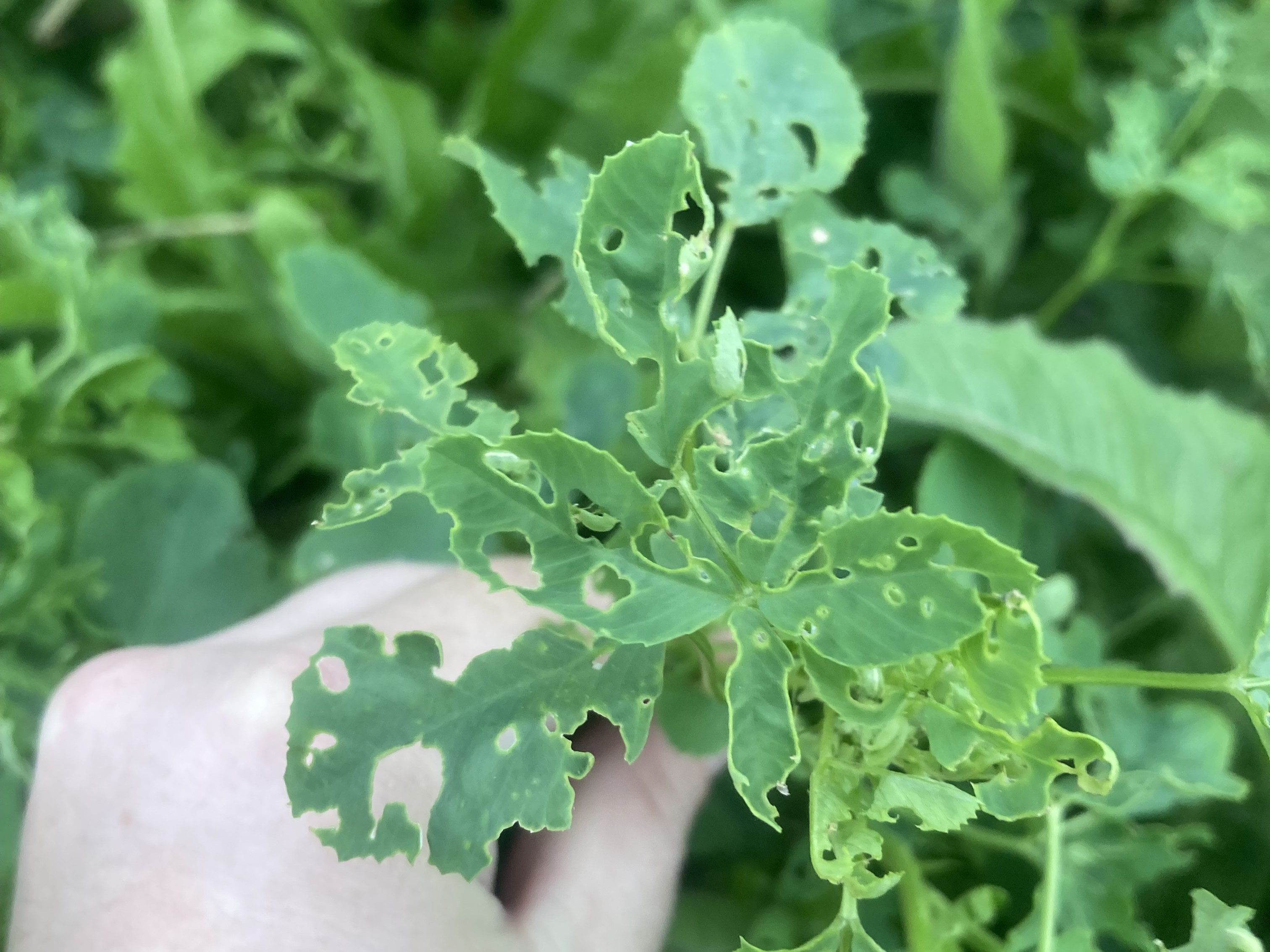
True armyworm affected alfalfa and forages in late May. Some fields saw significant foliar feeding and stand losses, mainly on the northern extreme of southwest Michigan. In general, hay yielded well this year, especially compared to the past two years with prolonged drought conditions.
Potato
Potato planting started in mid to late March and made decent progress before all the rain in April. Late frosts caused minimal damage to emerged potatoes, and planting continued into mid-May as the weather allowed. High temperatures and humidity in July contributed to widespread vine rot and above-normal early blight infection.
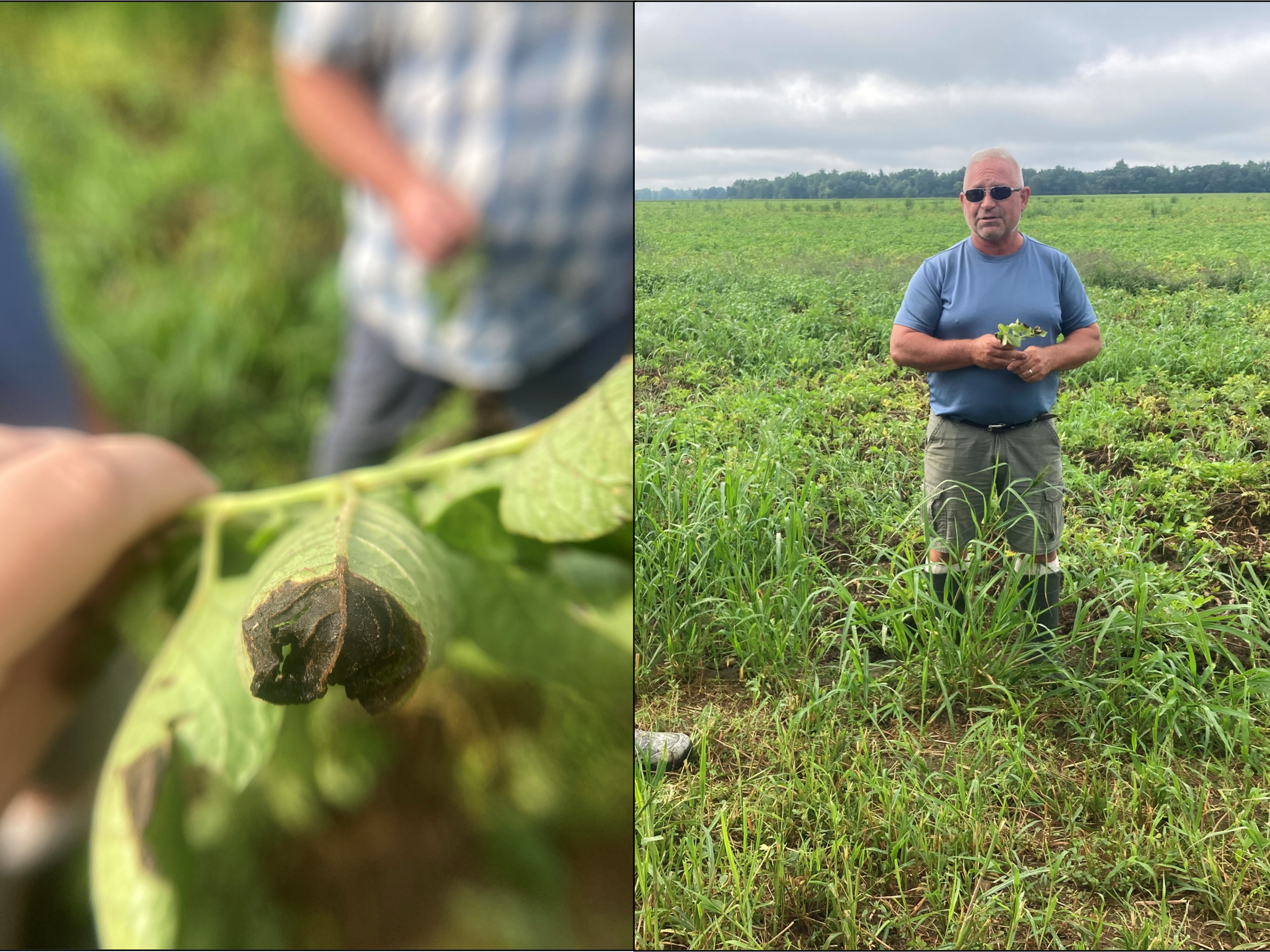
Late blight was confirmed in St. Joseph County on August 12. While late blight’s sporulation pattern can be diagnostic, the sporulation is only visible under certain environmental conditions. Other diagnostic clues for late blight identification include black (not brown or gray) lesions that can spread across veins and curling or twisting inward of the lesion. Appropriate chemical responses went out immediately, and the population was managed to prevent spread.
The farm with the late blight detection generously hosted an in-person identification and management meeting, organized by crop consulting company Mid-Michigan Agronomy, who detected and genotyped the late blight. Agronomists from all St. Joseph County commercial potato growers were present, as well as crop scouts and producers from other counties, an industry representative and Michigan State University Extension.
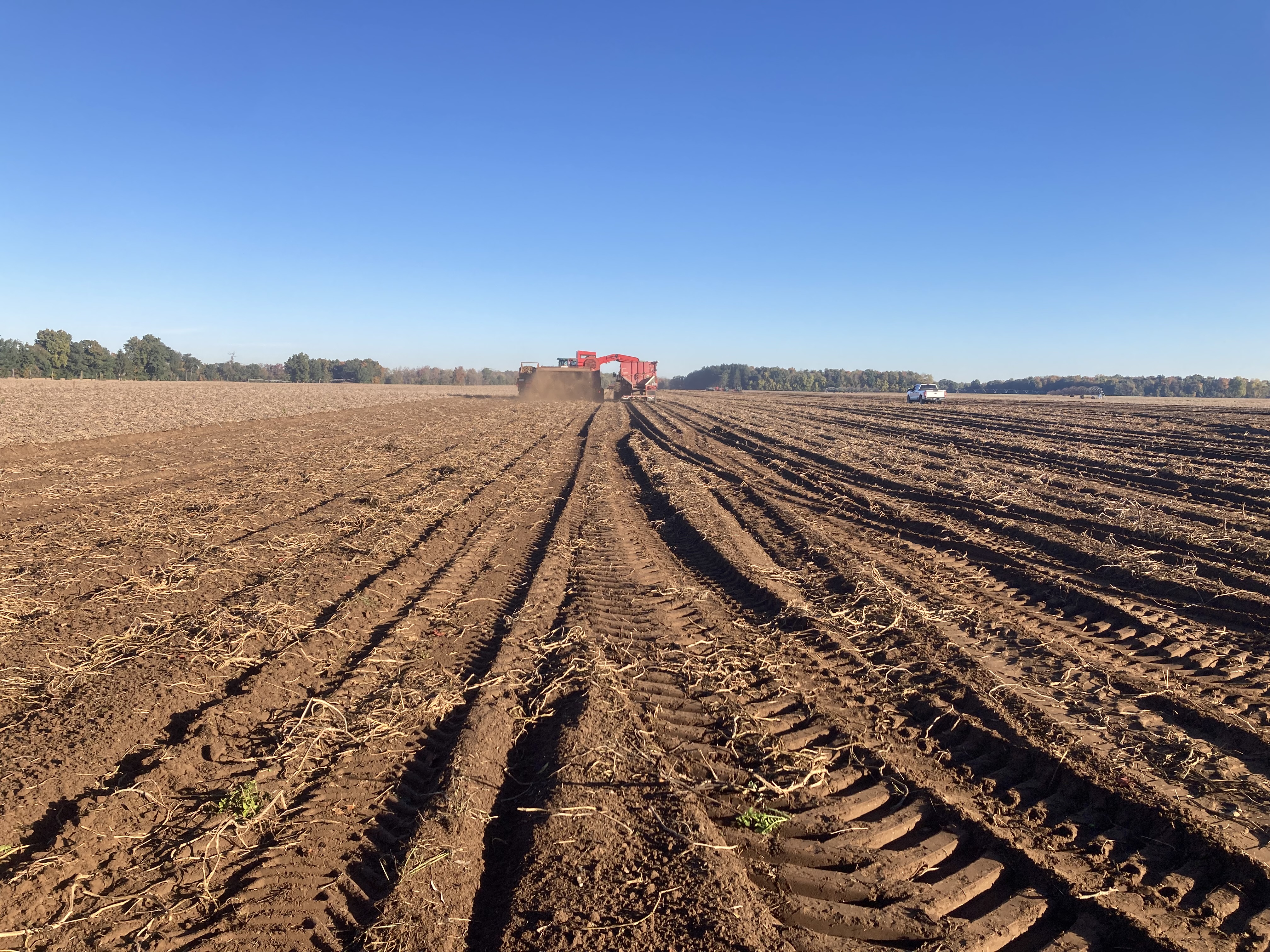
Dry weather in September and October allowed harvest to progress quickly. Temperatures did not drop down enough for some storage varieties to be harvested until mid-October, and harvest wrapped up quickly afterward. Yields were somewhat better than expected considering the wet spring and hot and humid July.
Water use and irrigation
The 2026 growing season brought its share of challenges, but overall, it was not as dry as 2025, particularly in southwest Michigan. Rainfall varied across the state, with some areas receiving less frequent precipitation while southwest Michigan generally stayed near or above the 10-year average.
In Constantine and Berrien Springs, precipitation was below average in May, but that changed in June when several rainfall events brought totals above the 10-year average. Unfortunately, some of those storms also caused damage to irrigation equipment, similar to what we experienced in 2025. This temporarily left some irrigation systems out of service in southwest Michigan. Fortunately, repairs and recovery happened quickly, and most systems were ready to go before crop water demand increased.
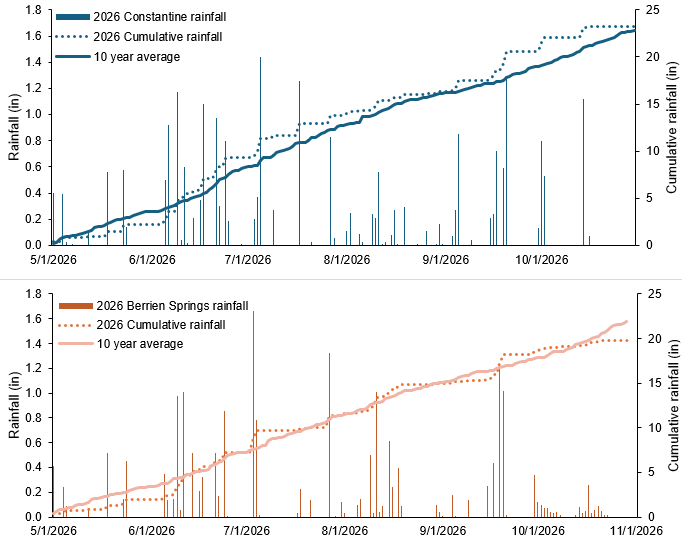
July brought warmer temperatures and higher evapotranspiration, with potential reference ET reaching approximately 1.2 to 1.3 inches per week during early and mid-July. However, frequent rainfall and cooler periods helped meet much of the crop's water demand. In many cases, growers needed only small irrigation applications or none at all. More rainfall in early September helped carry corn and soybeans closer to harvest.
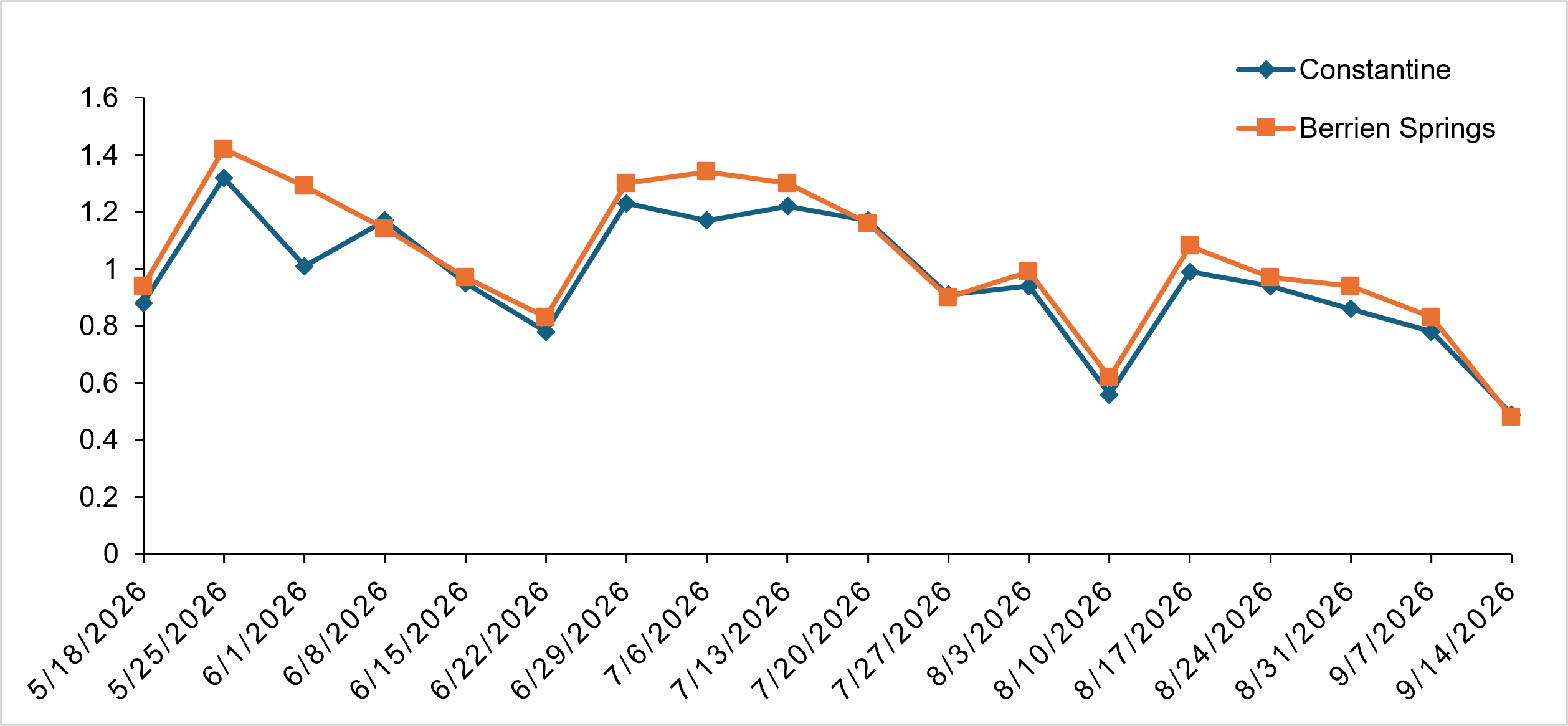
Compared with last year, timely rainfall made a noticeable difference in irrigation needs across parts of southwest Michigan. It was a good reminder that even when crop water demand is high, irrigation is not always necessary if rainfall is doing the job. This is where irrigation scheduling becomes especially useful. Keeping track of crop water use, rainfall, and soil moisture helps growers decide when irrigation is needed and when they can hold off.
Irrigation management also involves more than just meeting crop water needs. For example, soybean growers need to consider how irrigation timing and application amounts can affect leaf wetness and conditions favorable for fungal diseases such as white mold.
As we wrap up the 2026 season, one thing is clear: good irrigation management is about adapting to the conditions each season brings.
Weekly regional field crops updates
If you’re interested in weekly southwest Michigan field crops updates during the growing season, sign up to receive the field crops news digests or check out the MSU Extension field crops articles weekly from April to October.
This work is supported by the Crop Protection and Pest Management Program (grant no 2024-70006-43569) from the USDA National Institute of Food and Agriculture. Any opinions, findings, conclusions, or recommendations expressed in this publication are those of the author(s) and do not necessarily reflect the view of the U.S. Department of Agriculture.
